





Understanding Porcelain High Voltage Insulators: Essential Components for Electrical Systems
2025-04-19
Porcelain high voltage insulators play a critical role in the electrical industry, particularly in the management and transmission of electricity. These insulators are specifically designed to withstand high voltage levels, making them essential components in power lines and substations. Porcelain, known for its excellent insulating properties and durability, provides a reliable barrier that preve
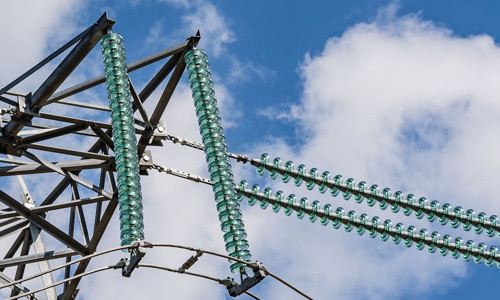
Porcelain high voltage insulators play a critical role in the electrical industry, particularly in the management and transmission of electricity. These insulators are specifically designed to withstand high voltage levels, making them essential components in power lines and substations. Porcelain, known for its excellent insulating properties and durability, provides a reliable barrier that prevents electrical currents from leaking and ensures the safe operation of electrical infrastructure.
One of the primary functions of porcelain high voltage insulators is to support and separate electrical conductors from grounded structures. This separation is crucial as it minimizes the risk of electrical arcing and short circuits, which can lead to outages and equipment damage. The robust nature of porcelain allows these insulators to endure harsh environmental conditions, including extreme temperatures, humidity, and pollution, thereby ensuring long-lasting performance.
The manufacturing process of porcelain insulators involves a combination of kaolin, feldspar, and quartz, which are fired at high temperatures to create a dense and impermeable material. This process enhances the mechanical strength and electrical insulating properties of the final product. Additionally, porcelain insulators can be glazed to create a smooth surface that repels dirt and moisture, further enhancing their performance and reliability.
Porcelain insulators are commonly used in various applications, including overhead power lines, railway electrification systems, and substations. Their ability to withstand severe electrical stresses and environmental challenges makes them a preferred choice for utility companies worldwide. Moreover, the aesthetic appeal of porcelain, with its glossy finish and ability to be colored, adds an element of design to electrical infrastructure.
When selecting porcelain high voltage insulators, it is essential to consider factors such as voltage ratings, mechanical strength, and environmental conditions. Proper installation and maintenance are also crucial in ensuring that these insulators function effectively over time. Regular inspections can help identify any potential issues, such as cracks or deterioration, that could compromise their insulating capabilities.
In conclusion, porcelain high voltage insulators are indispensable in the electrical sector, providing safety and efficiency in power transmission. Understanding their characteristics, benefits, and applications can help stakeholders make informed decisions regarding their use in electrical systems. By ensuring proper selection and maintenance, businesses can enhance the reliability and longevity of their electrical infrastructure, ultimately contributing to a more stable electricity supply.
One of the primary functions of porcelain high voltage insulators is to support and separate electrical conductors from grounded structures. This separation is crucial as it minimizes the risk of electrical arcing and short circuits, which can lead to outages and equipment damage. The robust nature of porcelain allows these insulators to endure harsh environmental conditions, including extreme temperatures, humidity, and pollution, thereby ensuring long-lasting performance.
The manufacturing process of porcelain insulators involves a combination of kaolin, feldspar, and quartz, which are fired at high temperatures to create a dense and impermeable material. This process enhances the mechanical strength and electrical insulating properties of the final product. Additionally, porcelain insulators can be glazed to create a smooth surface that repels dirt and moisture, further enhancing their performance and reliability.
Porcelain insulators are commonly used in various applications, including overhead power lines, railway electrification systems, and substations. Their ability to withstand severe electrical stresses and environmental challenges makes them a preferred choice for utility companies worldwide. Moreover, the aesthetic appeal of porcelain, with its glossy finish and ability to be colored, adds an element of design to electrical infrastructure.
When selecting porcelain high voltage insulators, it is essential to consider factors such as voltage ratings, mechanical strength, and environmental conditions. Proper installation and maintenance are also crucial in ensuring that these insulators function effectively over time. Regular inspections can help identify any potential issues, such as cracks or deterioration, that could compromise their insulating capabilities.
In conclusion, porcelain high voltage insulators are indispensable in the electrical sector, providing safety and efficiency in power transmission. Understanding their characteristics, benefits, and applications can help stakeholders make informed decisions regarding their use in electrical systems. By ensuring proper selection and maintenance, businesses can enhance the reliability and longevity of their electrical infrastructure, ultimately contributing to a more stable electricity supply.
Key words:
Glass insulator
Related News

Customers from several countries visited our factory for inspection.
Today, our company welcomed important clients from many countries to visit and inspect our factory. This is a significant milestone for our company's global reach, and a moment to showcase our strength and achievements. We are deeply honored and are full of confidence for the future.
2025-04-27
What are the characteristics of glass insulators?
After vacuum injection, the continuous pulling and extrusion of epoxy glass pulling rods is formed after the glass fibers are impregnated with epoxy resin and cured. The insulators used in overhead lines commonly include pin insulators, disc insulators, suspension porcelain bottle insulators, porcelain cross arms, rod insulators, and tension insulators, etc.
2024-05-22

In one minute, let you understand glass insulators.
Glass insulators are widely used in power systems due to their excellent electrical performance, corrosion resistance, and mechanical strength. Next, let's take a detailed look at their advantages.
2024-05-22


Please leave your contact information to us and we will contact you within 24 hours.


Hejian City Yonggu Glass Insulator Manufacturing Co., Ltd. | Poweredby:300.cn | Privacy Policy
City list
Business License