





Why Choose Glass Composite Insulators for Enhanced Electrical Safety?
2025-04-28
Why Choose Glass Composite Insulators for Enhanced Electrical Safety?
In the rapidly evolving world of electrical engineering, ensuring safety and reliability is paramount. One of the most critical components in electrical systems is the insulator, which plays a vital role in maintaining the integrity of power transmission. Among various types of insulators available, glass composite insulators have emerged as a leading choice for professionals seeking enhanced electrical safety. This article delves into the myriad reasons why glass composite insulators are favored in modern electrical applications.
Understanding Glass Composite Insulators
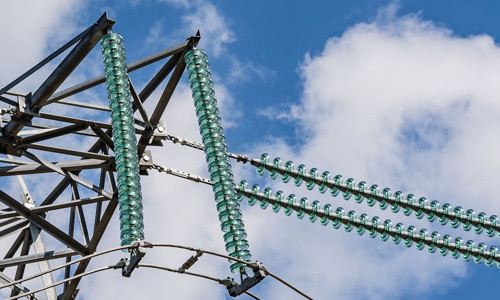
Glass composite insulators are designed with a unique blend of materials that combine the robustness of glass with the lightweight properties of composites. This innovative design not only provides superior electrical performance but also withstands the rigors of diverse environmental conditions.
The Composition of Glass Composite Insulators
The key materials used in glass composite insulators include:
- Glass Fiber Reinforcement: Enhances mechanical strength and durability.
- Epoxy Resins: Offers excellent electrical insulation and resistance to weathering.
- Silica: Contributes to the insulator's thermal stability and resistance to thermal shock.
Key Features of Glass Composite Insulators
Some notable features of glass composite insulators include:
- High Mechanical Strength: Capable of withstanding heavy loads and extreme weather conditions.
- Lightweight: Easier to handle and install compared to traditional insulators.
- Corrosion Resistance: Maintains integrity over time, particularly in harsh environments.
- Hydrophobic Properties: Prevents water build-up and minimizes the risk of flashovers.
The Advantages of Utilizing Glass Composite Insulators
The adoption of glass composite insulators in electrical applications offers a plethora of advantages, making them a compelling choice for engineers and project managers alike.
Enhanced Electrical Safety
Glass composite insulators are designed to handle high voltage applications with exceptional reliability. Their superior dielectric strength ensures minimal risk of electrical breakdown, providing a safer environment for utility workers and the general public. The hydrophobic properties further enhance safety by preventing water accumulation, which can lead to short circuits.
Superior Durability and Longevity
One of the standout benefits of glass composite insulators is their remarkable durability. Unlike traditional ceramic insulators, which can be prone to cracking, glass composite options are engineered to resist damage from physical impacts and environmental stressors. This durability translates to a longer lifespan, reducing the frequency of replacements and maintenance costs.
Reduced Maintenance Requirements
Given their resilience against environmental factors such as UV radiation, acid rain, and extreme temperatures, glass composite insulators require significantly less maintenance compared to their porcelain counterparts. This reduction in maintenance not only saves costs but also minimizes downtime for electrical systems.
Cost-Effectiveness in the Long Run
While the initial investment in glass composite insulators may be higher than that of traditional materials, the long-term savings are substantial. Their low maintenance needs, longevity, and reduced risk of failure ensure that utilities can achieve a favorable return on investment over time.
Applications of Glass Composite Insulators
Glass composite insulators are versatile and can be utilized across various applications in the electrical industry.
Power Transmission Lines
In high-voltage power transmission systems, glass composite insulators are used to support and insulate conductors. Their ability to withstand harsh environmental conditions makes them ideal for overhead lines, ensuring safe and efficient power delivery.
Substations
Substations require reliable insulation to prevent failures that could lead to outages. Glass composite insulators can be found in many substations, providing essential support and insulation while enhancing safety measures.
Renewable Energy Projects
As the world shifts towards renewable energy sources, glass composite insulators play a vital role in solar and wind energy projects. Their lightweight nature makes them suitable for various installations, enabling efficient energy harvesting.
Environmental Considerations
With increasing scrutiny on environmental impacts, the production and disposal of electrical components have come under the microscope. Glass composite insulators offer several environmental benefits.
Recyclability
Glass composite materials can often be recycled, reducing the overall environmental footprint associated with electrical infrastructure. This aspect aligns with global sustainability goals and presents a greener alternative to traditional insulators.
Lower Carbon Footprint
By reducing the frequency of replacements and maintenance, glass composite insulators contribute to a lower carbon footprint in the electrical industry. Their longevity and durability mean less waste generated over time.
Frequently Asked Questions (FAQs)
1. What are the primary differences between glass composite and porcelain insulators?
Glass composite insulators are generally lighter, more durable, and less prone to cracking compared to porcelain insulators. Additionally, they exhibit better hydrophobic properties, reducing the risk of flashovers in wet conditions.
2. How do glass composite insulators perform in extreme weather conditions?
Glass composite insulators are designed to withstand extreme temperatures, UV radiation, and other environmental stressors. Their robust construction ensures reliable performance in harsh weather, making them suitable for diverse climates.
3. Are glass composite insulators more expensive than traditional insulators?
While the upfront cost for glass composite insulators may be higher, their longevity and lower maintenance requirements often result in a more cost-effective solution over the lifespan of the product.
4. Can glass composite insulators be used in solar energy applications?
Yes, glass composite insulators are suitable for solar energy installations due to their lightweight design and excellent electrical properties, making them an ideal choice for supporting solar panels and related equipment.
5. What maintenance is required for glass composite insulators?
Glass composite insulators require minimal maintenance compared to traditional insulators. Regular inspections for visible damage or wear are recommended, but cleaning is typically not necessary unless there is an accumulation of debris or pollution.
Conclusion
In conclusion, the choice of glass composite insulators for electrical applications represents a significant advancement in enhancing electrical safety, durability, and efficiency. Their superior mechanical strength, lightweight nature, and resistance to environmental factors make them an ideal option for both existing and future electrical infrastructure. As the industry continues to embrace innovation, glass composite insulators stand out as a reliable solution that meets the demands of modern electrical engineering. By investing in these insulators, utilities and engineers can ensure a safer, more sustainable future for electrical power systems.
Key words:
newest glass composite insulators
new glass composite insulators
china composite insulators
quality glass composite insulators
Glass insulator
Related News

Customers from several countries visited our factory for inspection.
2025-04-27
What are the characteristics of glass insulators?
2024-05-22

In one minute, let you understand glass insulators.
2024-05-22


Please leave your contact information to us and we will contact you within 24 hours.


Hejian City Yonggu Glass Insulator Manufacturing Co., Ltd. | Poweredby:300.cn | Privacy Policy
City list