





Why Choose Composite Insulators Over Traditional Materials? Unveiling the Benefits and Applications
2025-05-10
Why Choose Composite Insulators Over Traditional Materials?
Table of Contents
1. Introduction to Insulators
2. Understanding Traditional Insulation Materials
3. What Are Composite Insulators?
4. The Benefits of Composite Insulators
5. Applications of Composite Insulators
6. Composite Insulators vs. Traditional Materials: A Detailed Comparison
7. Future Trends in Insula
Why Choose Composite Insulators Over Traditional Materials?
Table of Contents
- 1. Introduction to Insulators
- 2. Understanding Traditional Insulation Materials
- 3. What Are Composite Insulators?
- 4. The Benefits of Composite Insulators
- 5. Applications of Composite Insulators
- 6. Composite Insulators vs. Traditional Materials: A Detailed Comparison
- 7. Future Trends in Insulation Technology
- 8. Frequently Asked Questions
- 9. Conclusion
1. Introduction to Insulators
Insulators play a critical role in the electrical industry, providing essential support for voltage control, safety, and the overall efficiency of electrical systems. As technology advances, the demand for reliable and efficient insulation materials has led to the development of composite insulators. In this article, we delve into why composite insulators are becoming the preferred choice over traditional insulation materials.
2. Understanding Traditional Insulation Materials
Traditional insulation materials, such as ceramic and glass, have been widely used for decades. While these materials have proven effective in many applications, they come with certain limitations.
2.1 Characteristics of Traditional Insulators
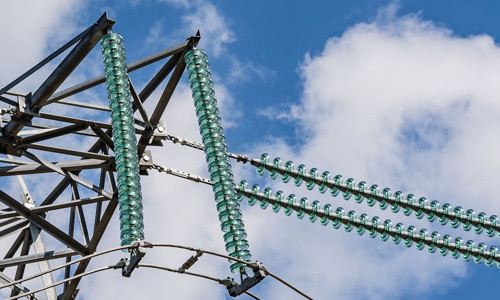
Ceramic insulators are known for their high dielectric strength; however, they are also heavy and fragile. Glass insulators, though resilient against thermal stress, can be brittle and prone to breakage under certain environmental conditions.
2.2 Limitations of Traditional Materials
Both ceramic and glass insulators are susceptible to environmental degradation, including UV radiation and moisture absorption. These factors can significantly impact their longevity and performance, leading to increased maintenance costs and safety risks.
3. What Are Composite Insulators?
Composite insulators are advanced materials made from a combination of polymers and fillers, offering enhanced performance characteristics compared to traditional options. They utilize a core made from fiberglass or other composite materials, enveloped in a polymeric housing.
3.1 Composition and Design
The unique composition of composite insulators allows for lightweight and robust designs that are resistant to environmental challenges. The use of high-quality polymers ensures excellent dielectric properties and mechanical strength.
3.2 Manufacturing Processes for Composite Insulators
Modern manufacturing techniques, including extrusion and molding, allow for precise shaping and application of composite insulators, resulting in uniform quality and performance across different applications.
4. The Benefits of Composite Insulators
Composite insulators present a multitude of advantages over traditional materials, making them an excellent choice for various applications.
4.1 Lightweight and Durable
The lightweight nature of composite insulators reduces the overall load on structures, making them easier to handle and install. This durability ensures that they can withstand harsh environmental conditions without compromising performance.
4.2 Enhanced Resistance to Environmental Factors
Composite insulators demonstrate superior resistance to UV radiation, moisture, and other environmental factors. This characteristic significantly extends their operational lifespan compared to traditional insulators.
4.3 Cost-Effectiveness
While the initial investment in composite technology may be higher, the long-term savings due to reduced maintenance and replacement costs often outweigh these initial expenses.
4.4 Improved Electrical Performance
The dielectric properties of composite materials enhance the electrical performance, allowing for higher voltage applications without the risk of failure.
5. Applications of Composite Insulators
Composite insulators are increasingly utilized across various sectors, showcasing their versatility and effectiveness.
5.1 Power Transmission and Distribution
In power transmission and distribution systems, composite insulators are used to support overhead lines, offering improved performance and reliability.
5.2 Renewable Energy Systems
As the renewable energy sector expands, composite insulators are becoming essential components in wind and solar energy systems, providing necessary insulation and support.
5.3 Railway and Transportation Systems
In railway applications, composite insulators facilitate efficient electrical systems, ensuring safe and reliable operations.
6. Composite Insulators vs. Traditional Materials: A Detailed Comparison
When selecting insulation materials, it is crucial to understand the differences between composite insulators and traditional materials.
6.1 Performance Metrics
Composite insulators outperform traditional materials in terms of weight, resistance to environmental factors, and longevity. These factors can significantly impact system efficiency and reliability.
6.2 Installation and Maintenance
The lightweight design of composite insulators simplifies installation, while their durability reduces the frequency and cost of maintenance compared to traditional options.
7. Future Trends in Insulation Technology
The electrical industry continues to evolve, and the future trends in insulation technology point toward an increasing reliance on composite materials. Innovations in material science and manufacturing processes will likely enhance the performance and reduce the costs associated with composite insulators.
8. Frequently Asked Questions
8.1 What are the main advantages of composite insulators over traditional materials?
Composite insulators are lighter, more durable, resistant to environmental factors, and generally more cost-effective in the long run.
8.2 Are composite insulators suitable for high-voltage applications?
Yes, composite insulators are designed for high-voltage applications, offering excellent dielectric properties and performance.
8.3 How do composite insulators perform in extreme weather conditions?
Composite insulators are engineered to withstand extreme weather conditions, including high humidity, heavy snowfall, and intense UV exposure.
8.4 What maintenance is required for composite insulators?
Composite insulators require minimal maintenance due to their resistance to environmental degradation, but regular inspections are recommended to ensure optimal performance.
8.5 Can composite insulators be recycled?
Many composite materials are recyclable, and the industry is moving toward more sustainable practices in the manufacturing and disposal of composite insulators.
9. Conclusion
Choosing composite insulators over traditional materials offers numerous advantages that align with the needs of modern electrical systems. Their lightweight design, durability, and resistance to environmental factors make them an ideal choice for a variety of applications. As we continue to innovate and improve insulation technologies, composite insulators will undoubtedly play a pivotal role in shaping the future of energy transmission and distribution. Embracing these advancements not only enhances performance but also contributes to more sustainable and efficient electrical systems.
Key words:
china composite insulators
Glass insulator
Related News

Customers from several countries visited our factory for inspection.
Today, our company welcomed important clients from many countries to visit and inspect our factory. This is a significant milestone for our company's global reach, and a moment to showcase our strength and achievements. We are deeply honored and are full of confidence for the future.
2025-04-27
What are the characteristics of glass insulators?
After vacuum injection, the continuous pulling and extrusion of epoxy glass pulling rods is formed after the glass fibers are impregnated with epoxy resin and cured. The insulators used in overhead lines commonly include pin insulators, disc insulators, suspension porcelain bottle insulators, porcelain cross arms, rod insulators, and tension insulators, etc.
2024-05-22

In one minute, let you understand glass insulators.
Glass insulators are widely used in power systems due to their excellent electrical performance, corrosion resistance, and mechanical strength. Next, let's take a detailed look at their advantages.
2024-05-22


Please leave your contact information to us and we will contact you within 24 hours.


Hejian City Yonggu Glass Insulator Manufacturing Co., Ltd. | Poweredby:300.cn | Privacy Policy
City list
Business License