





Exploring the Significance of Yellow Glass Insulators in Electrical Applications
2025-05-31
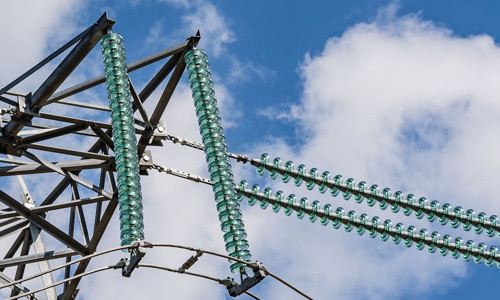
Yellow glass insulators are a notable type of electrical insulator commonly used in overhead power lines and telecommunication lines. These insulators, made from durable glass, are designed to support and separate electrical conductors while preventing electrical leakage. Their vibrant yellow color not only adds a distinctive aesthetic to installations but also serves a practical purpose in visibi
Yellow glass insulators are a notable type of electrical insulator commonly used in overhead power lines and telecommunication lines. These insulators, made from durable glass, are designed to support and separate electrical conductors while preventing electrical leakage. Their vibrant yellow color not only adds a distinctive aesthetic to installations but also serves a practical purpose in visibility, making them easily identifiable in various environments.
One of the primary functions of yellow glass insulators is to provide electrical insulation. This is critical in preventing short circuits and ensuring safe operation of electrical systems. The material composition of glass offers excellent dielectric properties, making it effective in withstanding high voltages. In addition, glass insulators are resistant to weathering, making them suitable for outdoor applications where they are exposed to environmental factors such as moisture, UV radiation, and temperature fluctuations.
In terms of mechanical strength, yellow glass insulators are highly robust. They can withstand significant mechanical loads and are less prone to breakage compared to other materials. Their physical properties allow them to maintain integrity even in adverse weather conditions, such as heavy winds or ice accumulation. This durability makes them a preferred choice for utility companies and contractors alike.
The use of yellow glass insulators can also enhance the performance of electrical systems. Their design allows for efficient drainage of water, reducing the risk of electrical faults caused by moisture accumulation. Moreover, their visibility aids in the maintenance and inspection processes, enabling technicians to quickly identify and address potential issues.
Beyond their practical applications, yellow glass insulators have become a collector's item due to their historical significance and aesthetic appeal. Vintage insulators are often sought after by enthusiasts, showcasing the evolution of electrical technology over the decades. This duality of function and form underscores the importance of yellow glass insulators in both contemporary and historical contexts.
In summary, yellow glass insulators play a crucial role in the electrical industry, combining functionality with aesthetic appeal. Their unique properties ensure safety, durability, and efficiency in electrical applications. Understanding the significance of these insulators can help professionals make informed decisions regarding their use in various projects, ultimately contributing to safer and more efficient electrical systems.
One of the primary functions of yellow glass insulators is to provide electrical insulation. This is critical in preventing short circuits and ensuring safe operation of electrical systems. The material composition of glass offers excellent dielectric properties, making it effective in withstanding high voltages. In addition, glass insulators are resistant to weathering, making them suitable for outdoor applications where they are exposed to environmental factors such as moisture, UV radiation, and temperature fluctuations.
In terms of mechanical strength, yellow glass insulators are highly robust. They can withstand significant mechanical loads and are less prone to breakage compared to other materials. Their physical properties allow them to maintain integrity even in adverse weather conditions, such as heavy winds or ice accumulation. This durability makes them a preferred choice for utility companies and contractors alike.
The use of yellow glass insulators can also enhance the performance of electrical systems. Their design allows for efficient drainage of water, reducing the risk of electrical faults caused by moisture accumulation. Moreover, their visibility aids in the maintenance and inspection processes, enabling technicians to quickly identify and address potential issues.
Beyond their practical applications, yellow glass insulators have become a collector's item due to their historical significance and aesthetic appeal. Vintage insulators are often sought after by enthusiasts, showcasing the evolution of electrical technology over the decades. This duality of function and form underscores the importance of yellow glass insulators in both contemporary and historical contexts.
In summary, yellow glass insulators play a crucial role in the electrical industry, combining functionality with aesthetic appeal. Their unique properties ensure safety, durability, and efficiency in electrical applications. Understanding the significance of these insulators can help professionals make informed decisions regarding their use in various projects, ultimately contributing to safer and more efficient electrical systems.
Key words:
Related News

Customers from several countries visited our factory for inspection.
Today, our company welcomed important clients from many countries to visit and inspect our factory. This is a significant milestone for our company's global reach, and a moment to showcase our strength and achievements. We are deeply honored and are full of confidence for the future.
2025-04-27
What are the characteristics of glass insulators?
After vacuum injection, the continuous pulling and extrusion of epoxy glass pulling rods is formed after the glass fibers are impregnated with epoxy resin and cured. The insulators used in overhead lines commonly include pin insulators, disc insulators, suspension porcelain bottle insulators, porcelain cross arms, rod insulators, and tension insulators, etc.
2024-05-22

In one minute, let you understand glass insulators.
Glass insulators are widely used in power systems due to their excellent electrical performance, corrosion resistance, and mechanical strength. Next, let's take a detailed look at their advantages.
2024-05-22


Please leave your contact information to us and we will contact you within 24 hours.


Hejian City Yonggu Glass Insulator Manufacturing Co., Ltd. | Poweredby:300.cn | Privacy Policy
City list
Business License