





The Fascinating History of Pin Insulators and Their Evolution in Electrical Engineering
2025-06-20
The Fascinating History of Pin Insulators and Their Evolution in Electrical Engineering
In the realm of electrical engineering, pin insulators play a critical role in ensuring the safe and effective transmission of electricity. These components are often overlooked, yet they form the backbone of our electrical infrastructure, allowing for the reliable delivery of power across vast distances. This article delves into the comprehensive history of pin insulators, tracing their evolution from their inception to modern innovations, while highlighting their significance in the electrical industry.
Table of Contents
- 1. Introduction to Pin Insulators
- 2. Historical Background of Pin Insulators
- 3. Early Designs and Materials Used
- 4. Technological Evolution of Pin Insulators
- 5. Modern Materials and Innovations
- 6. Applications of Pin Insulators in Today’s World
- 7. Safety and Reliability of Pin Insulators
- 8. Future Trends in Insulator Technology
- 9. Conclusion
- 10. Frequently Asked Questions
1. Introduction to Pin Insulators
Pin insulators serve as a crucial interface between overhead power lines and support structures, allowing electricity to flow safely while minimizing the risk of short circuits. These components are designed to withstand various environmental factors, such as moisture, temperature fluctuations, and mechanical stresses. By maintaining electrical connectivity while providing necessary insulation, pin insulators ensure the efficacy and durability of electrical systems.
2. Historical Background of Pin Insulators
The history of pin insulators dates back to the late 19th century when the demand for electricity surged alongside technological advancements. The early innovators recognized the need for effective insulation to support the growing electrical infrastructure.
Initially, pin insulators were crafted from ceramic materials, which offered a combination of durability and insulating properties. These early designs were crucial in the development of overhead power lines, enabling electrical utilities to expand their networks significantly. As the industry evolved, so did the designs and materials used in pin insulators, leading to innovations that would enhance both safety and efficiency.
3. Early Designs and Materials Used
The earliest pin insulators were predominantly made from ceramic materials, which provided adequate insulation and mechanical strength. The traditional designs featured a simple shape, often resembling a cup that could be mounted on a pin attached to the pole structure. These insulators were relatively simple but effective in their function.
As electrical demands increased, manufacturers began to improve the design and functionality of pin insulators. The introduction of glazes on ceramic surfaces helped enhance their water-shedding capabilities, thus improving performance in wet conditions. However, limitations in ceramic materials, such as fragility and susceptibility to weathering, prompted further innovation.
4. Technological Evolution of Pin Insulators
Over the course of the 20th century, advancements in materials science led to significant changes in pin insulator technology. As electrical systems grew more complex, manufacturers sought materials that could withstand harsher conditions and offer improved performance.
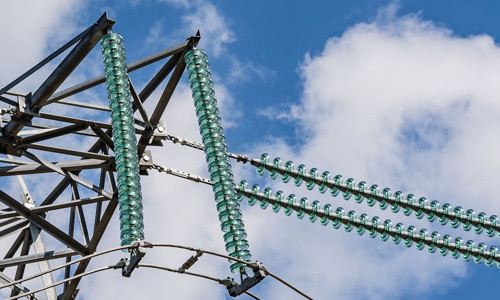
Glass insulators emerged as a viable alternative to ceramics during this period. They offered superior mechanical strength and resistance to environmental factors, such as UV radiation and moisture. The use of glass also allowed for transparent designs, enabling inspectors to detect cracks and defects easily.
With the introduction of polymeric materials in the later part of the century, pin insulators underwent yet another transformation. These composite materials provided a lightweight, durable option that could endure extreme temperature variations without degrading. The adoption of polymeric insulators has revolutionized the industry, making installations more efficient and cost-effective.
5. Modern Materials and Innovations
Today, the landscape of pin insulator technology is defined by a blend of advanced materials and innovative designs. Modern pin insulators are predominantly made from a combination of ceramic, glass, and polymeric materials, each selected for their specific properties to meet diverse operational needs.
One notable advancement is the development of silicone rubber insulators, which provide excellent electrical insulation and hydrophobic properties. These insulators prevent water accumulation, reducing the risk of electrical arcing and outages. The use of silicone rubber has gained popularity due to its superior performance in various environmental conditions.
6. Applications of Pin Insulators in Today’s World
Pin insulators are integral to numerous applications within the electrical industry. They are primarily used in overhead power transmission lines, providing the necessary insulation and support for conductors. Their applications extend beyond traditional power lines to include:
- Telecommunication Lines: Pin insulators are used to support telecommunication cables, ensuring that signals are transmitted without interference.
- Renewable Energy Systems: Wind and solar farms utilize pin insulators to maintain the stability of electrical connections.
- Substation Equipment: Pin insulators are critical components in substations, helping to isolate various electrical parts for safety and efficiency.
7. Safety and Reliability of Pin Insulators
Safety is a paramount concern in electrical engineering, and pin insulators play a vital role in maintaining electrical safety standards. Their design is specifically aimed at minimizing the risk of electrical faults that could lead to outages or catastrophic failures.
Regular inspections and maintenance are essential to ensuring the reliability of pin insulators. Factors such as environmental degradation, mechanical stress, and electrical tracking can impact their performance over time. The implementation of advanced monitoring systems helps utilities assess the condition of insulators in real-time, facilitating timely interventions to prevent failures.
8. Future Trends in Insulator Technology
The future of pin insulator technology is poised for continued evolution, driven by advancements in materials science and engineering practices. Here are some potential trends:
- Smart Insulators: The integration of IoT technology may lead to the development of smart pin insulators equipped with sensors for real-time monitoring.
- Environmentally Friendly Materials: A shift towards sustainable materials will likely gain momentum as industries prioritize eco-friendly practices.
- Enhanced Durability: Ongoing research will continue to focus on improving the longevity and resilience of pin insulators against extreme weather conditions.
9. Conclusion
The journey of pin insulators from simple ceramic designs to modern innovations encapsulates the remarkable advancements in electrical engineering. As we progress towards a more electrified future, the evolution of pin insulators remains vital in ensuring the safety, efficiency, and reliability of our electrical systems. Understanding this history not only appreciates the past but also prepares us for the future of electrical technology.
10. Frequently Asked Questions
What are pin insulators made of?
Pin insulators are typically made from ceramic, glass, or polymeric materials. Each material offers unique properties that cater to specific electrical applications.
How do pin insulators work?
Pin insulators provide electrical insulation between overhead wires and supporting structures, preventing electrical currents from leaking to the ground.
Why are ceramic materials used in pin insulators?
Ceramic materials offer excellent electrical insulation, durability, and resistance to weathering, making them ideal for outdoor applications.
What is the lifespan of a pin insulator?
The lifespan of a pin insulator can vary based on its material and environmental conditions, but many can last for decades with proper maintenance.
Are there modern alternatives to traditional pin insulators?
Yes, modern alternatives include glass and polymeric insulators, which offer enhanced performance and durability compared to traditional ceramic designs.
Key words:
Related News

Customers from several countries visited our factory for inspection.
2025-04-27
What are the characteristics of glass insulators?
2024-05-22

In one minute, let you understand glass insulators.
2024-05-22


Please leave your contact information to us and we will contact you within 24 hours.


Hejian City Yonggu Glass Insulator Manufacturing Co., Ltd. | Poweredby:300.cn | Privacy Policy
City list