





Understanding the Importance of Suspension Insulators in Electrical Systems
2025-06-30
Understanding the Importance of Suspension Insulators in Electrical Systems
Table of Contents
- What are Suspension Insulators?
- Types of Suspension Insulators
- Functions of Suspension Insulators in Electrical Systems
- Materials Used for Suspension Insulators
- Advantages of Using Suspension Insulators
- Applications of Suspension Insulators in Electrical Systems
- Maintenance of Suspension Insulators
- The Future of Suspension Insulators in Electrical Systems
- FAQs About Suspension Insulators
What are Suspension Insulators?
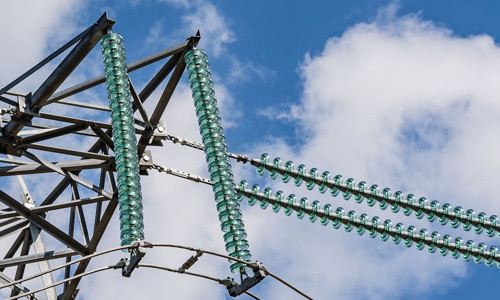
Suspension insulators are crucial components in overhead power transmission lines. They serve the primary function of supporting the conductor wires while insulating them from the transmission towers or poles. These insulators prevent electrical energy from leaking to the ground, thereby ensuring the safe and efficient distribution of electricity. Made from various materials, suspension insulators come in different shapes and sizes, designed to handle specific voltage levels and environmental conditions.
Types of Suspension Insulators
Suspension insulators can be categorized based on their construction and material properties. The two primary types include:
Porcelain Suspension Insulators
Porcelain insulators are one of the most common types used in electrical systems. They are known for their durability and resistance to weather conditions. Their smooth surface minimizes the accumulation of dirt and pollutants, making them an ideal choice for various environments.
Glass Suspension Insulators
Glass insulators offer unique advantages, including high resistance to corrosion and excellent electrical insulating properties. Their transparency allows for easy visual inspection, making maintenance simpler. However, they are generally less robust than porcelain insulators.
Functions of Suspension Insulators in Electrical Systems
The functions of suspension insulators extend beyond mere physical support for conductor wires. Key functions include:
Electrical Isolation
Suspension insulators provide electrical isolation between the conductors and the supporting structures, preventing unwanted electrical current from flowing to the ground or other conductive materials.
Mechanical Support
These insulators must withstand tension from the conductors, especially in high-voltage transmission systems. They ensure that the wires remain suspended and properly aligned across distances.
Environmental Protection
Suspension insulators protect conductors from environmental factors such as moisture, pollutants, and temperature variations. A quality insulator will resist degradation over time, ensuring a longer lifespan for the electrical system.
Materials Used for Suspension Insulators
The choice of materials in the construction of suspension insulators is vital for performance and longevity. Common materials include:
Silicone Rubber
Silicone rubber is increasingly used in modern suspension insulators due to its excellent electrical and thermal properties. It is particularly effective in preventing contamination and offers a high level of hydrophobicity.
Composite Materials
Composite insulators combine various materials, such as fiberglass and polymer, to enhance strength while reducing weight. These materials provide excellent durability and flexibility, making them suitable for diverse applications.
Advantages of Using Suspension Insulators
Utilizing suspension insulators in electrical systems comes with multiple benefits:
Enhanced Safety
By preventing electrical leakage and providing isolation, suspension insulators significantly improve the safety of power transmission systems, reducing the risk of accidents and electrical fires.
Increased Reliability
High-quality suspension insulators ensure consistent performance even under extreme weather conditions. This reliability is essential for minimizing outages and maintaining service continuity.
Cost-Effective Maintenance
Regular inspections and maintenance of suspension insulators help identify potential failures before they escalate. This proactive approach can lead to reduced maintenance costs and extended insulator lifespan.
Applications of Suspension Insulators in Electrical Systems
Suspension insulators find applications in various electrical systems:
High-Voltage Transmission Lines
In high-voltage transmission lines, suspension insulators play a pivotal role in supporting overhead conductors and ensuring safe operation. They are designed to handle the mechanical stresses and electrical loads involved.
Substation Equipment
Inside substations, suspension insulators support various equipment, including transformers and switches, ensuring that high-voltage systems remain insulated from their surroundings.
Distribution Networks
Suspension insulators are also used in distribution networks to maintain safety and reliability in electricity delivery to residential and commercial areas.
Maintenance of Suspension Insulators
Regular maintenance of suspension insulators is crucial for ensuring their optimal performance. Key maintenance practices include:
Visual Inspections
Conducting routine visual inspections to check for damage, contamination, or wear is the first step in maintenance. Observing any cracks or discoloration can indicate the need for replacement.
Cleaning Procedures
Cleaning the insulators from dirt and debris helps maintain their insulating properties. The frequency of cleaning will depend on environmental conditions and levels of pollution.
Testing Electrical Performance
Performing electrical tests on insulators can identify potential insulation failures. Insulation resistance tests and power factor tests are common practices to evaluate performance.
The Future of Suspension Insulators in Electrical Systems
As technology advances, the future of suspension insulators looks promising. Innovations in materials, such as bio-based composites and smart insulators that monitor performance in real-time, are on the horizon. These developments will enhance the safety and efficiency of electrical systems, paving the way for more resilient power infrastructures.
FAQs About Suspension Insulators
1. What are the primary functions of suspension insulators?
The primary functions of suspension insulators include providing electrical isolation, supporting mechanical tension from conductors, and protecting conductors from environmental factors.
2. What materials are commonly used for suspension insulators?
Common materials include porcelain, glass, silicone rubber, and composite materials, each offering unique advantages for different applications.
3. How often should suspension insulators be inspected and maintained?
It is advisable to conduct visual inspections at least twice a year and perform cleaning and electrical performance tests as needed, depending on environmental conditions.
4. What are the benefits of using composite insulators?
Composite insulators provide enhanced durability, reduced weight, and improved performance in contaminated environments compared to traditional porcelain insulators.
5. Can suspension insulators fail, and what causes it?
Yes, suspension insulators can fail due to various factors, including environmental stress, mechanical overload, and contamination. Regular maintenance can help mitigate these risks.
Conclusion
In conclusion, suspension insulators are a fundamental component of electrical systems, ensuring safety, reliability, and efficiency in power transmission. Understanding their types, functions, materials, and maintenance practices is essential for industry professionals. By focusing on the advantages and applications of suspension insulators, we can appreciate their role in modern electrical infrastructure. As technology evolves, the future of suspension insulators will likely introduce innovative solutions that further enhance their performance and longevity, contributing to a more robust power grid.
Key words:
china suspension insulators
best suspension insulators
quality suspension insulators
Related News

Customers from several countries visited our factory for inspection.
2025-04-27
What are the characteristics of glass insulators?
2024-05-22

In one minute, let you understand glass insulators.
2024-05-22


Please leave your contact information to us and we will contact you within 24 hours.


Hejian City Yonggu Glass Insulator Manufacturing Co., Ltd. | Poweredby:300.cn | Privacy Policy
City list