





Understanding the Critical Function of Ceramic Pin Insulators in Modern Electrical Systems
2025-10-16
Understanding the Critical Function of Ceramic Pin Insulators in Modern Electrical Systems
Table of Contents
Introduction to Ceramic Pin Insulators
What Are Ceramic Pin Insulators?
Types of Ceramic Insulators Used in Electrical Systems
Advantages of Ceramic Pin Insulators
Applications of Ceramic Pin Insulators in Various Industries
The Manufacturing Process of Ceramic Pin
Understanding the Critical Function of Ceramic Pin Insulators in Modern Electrical Systems
Table of Contents
- Introduction to Ceramic Pin Insulators
- What Are Ceramic Pin Insulators?
- Types of Ceramic Insulators Used in Electrical Systems
- Advantages of Ceramic Pin Insulators
- Applications of Ceramic Pin Insulators in Various Industries
- The Manufacturing Process of Ceramic Pin Insulators
- Installation and Maintenance of Ceramic Pin Insulators
- Future Trends in Insulation Materials
- FAQs About Ceramic Pin Insulators
- Conclusion
Introduction to Ceramic Pin Insulators
In the realm of electrical systems, **insulation** is paramount to ensure safety, reliability, and efficiency. Among various insulation materials, ceramic pin insulators have established themselves as a preferred choice due to their unique properties and performance capabilities. These insulators are critical in supporting overhead power lines, providing electrical insulation, and protecting components from environmental factors. This article delves into the significance of ceramic pin insulators, their functionalities, and their applications across different sectors.
What Are Ceramic Pin Insulators?
Ceramic pin insulators are specialized electrical insulators made from high-quality ceramic materials. They are designed to support and insulate electrical conductors, particularly in overhead transmission and distribution lines. Typically mounted on wooden or concrete poles, these insulators ensure that electrical current does not leak into the environment while maintaining the structural integrity of the power lines.
Ceramic insulation materials have been trusted for decades due to their excellent electrical properties, mechanical strength, and durability. By understanding their design and functions, industry professionals can better appreciate why ceramic pin insulators are a vital component in electrical systems.
Components of Ceramic Pin Insulators
Ceramic pin insulators consist of several key components:
- **Insulating Body**: The main body is often made of a non-conductive ceramic material, ensuring effective insulation.
- **Pin Hole**: A small hole at the bottom allows the insulator to be connected to the supporting structure, typically using a metallic pin or bolt.
- **Glazing**: The outer surface is often glazed to enhance weather resistance and reduce contamination from dust and grime.
Types of Ceramic Insulators Used in Electrical Systems
There are several types of ceramic insulators employed in electrical systems, each designed for specific applications and environments.
1. Pin-Type Insulators
As the name suggests, **pin-type insulators** are used in overhead lines where they are mounted on poles. They are usually cylindrical and feature a pin hole at the base for easy installation.
2. Post Insulators
Post insulators are larger and designed to support heavy loads in substations and switchyards. They provide excellent insulation and mechanical strength for high-voltage applications.
3. Suspension Insulators
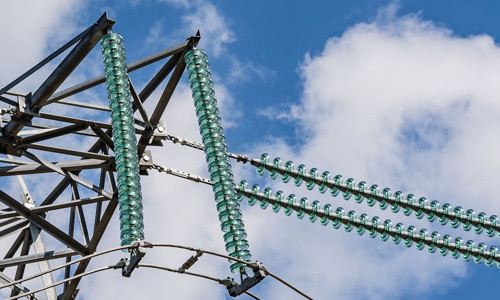
These insulators are used to suspend power lines from a supporting structure. They are critical in maintaining the distance between conductors and preventing electrical leakage.
Advantages of Ceramic Pin Insulators
Ceramic pin insulators offer multiple benefits, making them a preferred choice in the electrical industry.
1. Superior Electrical Insulation
Ceramic materials possess high dielectric strength, making them excellent insulators that can withstand high voltage without breaking down.
2. Mechanical Strength
The inherent strength of ceramics allows these insulators to endure harsh environmental conditions, including wind, ice, and temperature fluctuations. This durability reduces maintenance and replacement costs.
3. Resistance to Environmental Factors
Ceramic pin insulators are resistant to UV radiation, moisture, and temperature variations, ensuring long-term performance without degradation.
4. Low Maintenance
With their robust design, ceramic insulators require minimal maintenance, making them economical over their lifespan. Their glazed surfaces repel dirt, which reduces the need for frequent cleaning.
5. Eco-Friendly Option
Ceramic materials are non-toxic and can be produced sustainably, making them an environmentally friendly choice compared to some synthetic insulators.
Applications of Ceramic Pin Insulators in Various Industries
Ceramic pin insulators are versatile and find application across multiple sectors.
1. Power Transmission and Distribution
The primary application of ceramic pin insulators is in the transmission and distribution of electrical energy. They play a vital role in supporting overhead power lines, ensuring safe and efficient power delivery.
2. Renewable Energy Systems
As the world shifts towards renewable energy, ceramic insulators are increasingly used in wind and solar energy applications to maintain electrical integrity and reliability.
3. Communication Systems
In telecommunication networks, ceramic insulators are used to support antenna structures, ensuring that signals remain clear and uninterrupted.
4. Industrial Equipment
Ceramic pin insulators are utilized in various industrial applications, including transformers and switchgear, where reliable electrical insulation is crucial.
The Manufacturing Process of Ceramic Pin Insulators
The production of ceramic pin insulators involves several meticulous steps to ensure quality and performance.
1. Raw Material Selection
The process begins with selecting high-purity clay, feldspar, and other additives that enhance the insulator's properties.
2. Forming
The raw materials are mixed and shaped using either dry pressing or slip casting techniques, depending on the desired insulator design.
3. Drying
The shaped insulators are then dried to remove moisture, preparing them for the next step.
4. Firing
The dried insulators are fired in a kiln at high temperatures, which vitrifies the materials, giving them strength and durability.
5. Glazing and Finishing
After firing, a glaze is applied to enhance weather resistance and improve surface finish. The insulators are then inspected and tested for quality before packaging.
Installation and Maintenance of Ceramic Pin Insulators
Proper installation and maintenance are crucial for maximizing the performance of ceramic pin insulators.
1. Installation Guidelines
During installation, ensure that the insulator is correctly aligned and securely attached to the support structure to prevent mechanical stress.
2. Regular Inspections
Periodically inspect insulators for signs of wear, contamination, or damage. Early detection of issues can prevent costly failures.
3. Cleaning Procedures
Maintain the insulators’ surfaces clean to ensure optimal performance. Regularly scheduled cleaning can help prevent the buildup of contaminants that may affect electrical performance.
Future Trends in Insulation Materials
As technology evolves, so do insulation materials. Future trends indicate a shift towards more sustainable and innovative solutions in the insulation sector.
1. Smart Insulators
The integration of smart technology in insulators can provide real-time monitoring of performance and condition, enhancing safety and reliability.
2. Advanced Composite Materials
Developments in composite materials may lead to alternatives that offer similar or superior properties to ceramics while being lighter and more flexible.
3. Increased Use of Nanotechnology
Nanotechnology could revolutionize insulation materials, improving thermal and electrical performance significantly.
FAQs About Ceramic Pin Insulators
1. What is the lifespan of ceramic pin insulators?
Ceramic pin insulators can last anywhere from 30 to 50 years, depending on environmental conditions and maintenance practices.
2. Are ceramic pin insulators resistant to weathering?
Yes, ceramic pin insulators are designed to withstand various weather conditions, including extreme temperatures, moisture, and UV exposure.
3. Can ceramic pin insulators be used in high-voltage applications?
Absolutely, ceramic pin insulators are specifically engineered for high-voltage applications and provide excellent electrical insulation.
4. What maintenance do ceramic pin insulators require?
Routine inspections and occasional cleaning to remove dust and debris are recommended to ensure optimal performance.
5. How do ceramic pin insulators compare to other types of insulators?
Ceramic pin insulators typically offer better mechanical strength, weather resistance, and longevity compared to other materials such as glass or plastic.
Conclusion
Ceramic pin insulators play a pivotal role in modern electrical systems, ensuring safety, reliability, and efficiency. Their unique properties make them an ideal choice for various applications, from power generation to telecommunications. Understanding their functionalities and advantages can help professionals make informed decisions when selecting insulation materials for electrical infrastructure. As we look towards a future of technological advancements and sustainability, ceramic pin insulators will undoubtedly remain integral to the evolution of electrical systems.
Key words:
Related News

Customers from several countries visited our factory for inspection.
Today, our company welcomed important clients from many countries to visit and inspect our factory. This is a significant milestone for our company's global reach, and a moment to showcase our strength and achievements. We are deeply honored and are full of confidence for the future.
2025-04-27
What are the characteristics of glass insulators?
After vacuum injection, the continuous pulling and extrusion of epoxy glass pulling rods is formed after the glass fibers are impregnated with epoxy resin and cured. The insulators used in overhead lines commonly include pin insulators, disc insulators, suspension porcelain bottle insulators, porcelain cross arms, rod insulators, and tension insulators, etc.
2024-05-22

In one minute, let you understand glass insulators.
Glass insulators are widely used in power systems due to their excellent electrical performance, corrosion resistance, and mechanical strength. Next, let's take a detailed look at their advantages.
2024-05-22


Please leave your contact information to us and we will contact you within 24 hours.


Hejian City Yonggu Glass Insulator Manufacturing Co., Ltd. | Poweredby:300.cn | Privacy Policy
City list
Business License