





How to Choose the Right Suspension Insulators for Your Project: A Comprehensive Guide
2026-01-12
How to Choose the Right Suspension Insulators for Your Project
Table of Contents
- Understanding Suspension Insulators
- The Importance of Suspension Insulators in Electrical Systems
- Types of Suspension Insulators: A Detailed Overview
- Factors to Consider When Choosing Suspension Insulators
- Installation Tips for Suspension Insulators
- Maintenance and Inspection of Suspension Insulators
- Common Mistakes to Avoid When Selecting Suspension Insulators
- Frequently Asked Questions
- Conclusion
Understanding Suspension Insulators
Suspension insulators play a vital role in electrical transmission lines by supporting the weight of conductors while providing electrical insulation. These devices are designed to prevent electrical energy from leaking to the ground, ensuring the safe and efficient operation of electrical systems. Various materials, shapes, and designs are utilized in manufacturing suspension insulators to meet diverse operational requirements.
The Importance of Suspension Insulators in Electrical Systems
Choosing the right suspension insulators is not merely a technical choice; it impacts the overall performance and safety of electrical systems. Properly selected insulators enhance system reliability, minimize maintenance costs, and prolong the lifespan of electrical infrastructure. Additionally, they help prevent electrical accidents, thereby protecting both human life and equipment.
Types of Suspension Insulators: A Detailed Overview
Understanding the various types of suspension insulators available is crucial in making informed decisions. Let's explore the options:
1. Ceramic Insulators
Ceramic insulators are traditional and widely used due to their excellent mechanical strength and electrical insulation properties. They are highly durable and can withstand extreme weather conditions but are relatively heavy and susceptible to breakage.
2. Glass Insulators
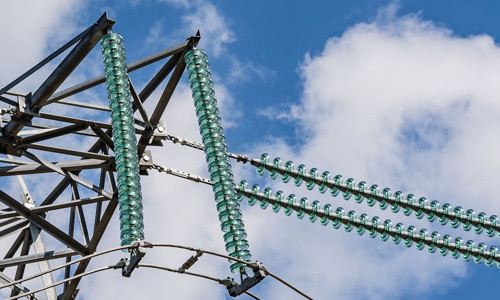
Glass insulators offer high insulation resistance and are less susceptible to environmental degradation. They provide excellent visibility for maintenance checks but can also be fragile if not handled properly.
3. Polymer Insulators
Polymer insulators are becoming increasingly popular due to their lightweight nature and resistance to pollution. Made from composite materials, they are highly resistant to mechanical stress and can handle a range of environmental conditions.
Factors to Consider When Choosing Suspension Insulators
When selecting suspension insulators for your project, several factors should guide your decision-making process:
1. Voltage Rating
Understanding the voltage level of your electrical system is essential. Different insulators are rated for specific voltage levels, and selecting an appropriate rating ensures safety and efficiency.
2. Environmental Conditions
Insulators must be able to withstand local environmental conditions such as humidity, temperature, and pollution. In polluted areas, for example, polymer insulators may be preferable due to their self-cleaning properties.
3. Mechanical Strength
The mechanical strength of suspension insulators must be adequate to support the weight of conductors and withstand wind loads. Always consider the specific requirements of your site.
4. Installation and Maintenance Requirements
Some insulation materials require more frequent maintenance than others. Consider the long-term maintenance implications when selecting insulators.
5. Cost Considerations
While it may be tempting to choose the cheapest option, consider the long-term benefits of investing in high-quality insulators that offer durability and low maintenance costs.
Installation Tips for Suspension Insulators
Proper installation is critical for ensuring the performance of suspension insulators. Here are some essential tips:
1. Follow Manufacturer Recommendations
Always adhere to the installation guidelines provided by the manufacturer. These specifications are designed to ensure optimal performance and safety.
2. Ensure Proper Alignment
Incorrect alignment can lead to undue stress on the insulators. Ensure that all parts are aligned correctly before finalizing the installation.
3. Use Appropriate Tools
Using the right tools ensures precision during installation, reducing the risk of damage to the insulators. Always opt for high-quality tools suited for the job.
Maintenance and Inspection of Suspension Insulators
Regular maintenance and inspections are crucial for the longevity of suspension insulators. Here are some best practices:
1. Routine Visual Inspections
Conduct regular visual inspections to check for signs of wear, damage, or pollution build-up. Early detection of issues can prevent costly repairs.
2. Cleaning Procedures
Depending on the environmental conditions, insulators may require cleaning to remove dirt and contaminants. Follow manufacturer recommendations for cleaning methods.
3. Monitor Performance
Utilize monitoring equipment to track the performance of suspension insulators, ensuring they operate within expected parameters.
Common Mistakes to Avoid When Selecting Suspension Insulators
Choosing suspension insulators can be complex, and several pitfalls should be avoided:
1. Ignoring Environmental Factors
Failing to consider the specific environmental conditions can lead to premature failure of insulators. Always assess local conditions before making a choice.
2. Overlooking Manufacturer Specifications
Neglecting to adhere to the specifications provided by manufacturers can result in suboptimal performance. Always consult these guidelines during the selection process.
3. Choosing Based on Price Alone
While cost is an important factor, opting solely for the cheapest option can lead to increased long-term costs due to maintenance and replacement needs.
Frequently Asked Questions
1. What are suspension insulators made from?
Suspension insulators can be made from various materials, including ceramic, glass, and polymer composites, each offering different benefits and drawbacks.
2. How do I know which insulator is right for my project?
Consider factors such as voltage rating, environmental conditions, mechanical strength, and maintenance requirements when selecting insulators for your project.
3. Can suspension insulators be repaired if broken?
In some cases, minor damages can be repaired, but it is generally recommended to replace broken insulators to ensure safety and performance.
4. How often should suspension insulators be inspected?
Regular inspections should be conducted based on environmental conditions, but a general recommendation is to perform inspections at least once a year.
5. What is the average lifespan of suspension insulators?
The lifespan of suspension insulators can vary widely based on material, environmental conditions, and maintenance practices, but they generally last from 20 to 30 years.
Conclusion
Selecting the right suspension insulators for your project is a pivotal decision that affects the safety, efficiency, and durability of electrical systems. By understanding the various types available, considering crucial factors, and following best practices for installation and maintenance, you can make an informed choice that meets your project's specific needs. With careful planning and knowledgeable decision-making, your project will benefit from reliable and effective suspension insulators.
Key words:
china suspension insulators
Related News

Customers from several countries visited our factory for inspection.
2025-04-27
What are the characteristics of glass insulators?
2024-05-22

In one minute, let you understand glass insulators.
2024-05-22


Please leave your contact information to us and we will contact you within 24 hours.


Hejian City Yonggu Glass Insulator Manufacturing Co., Ltd. | Poweredby:300.cn | Privacy Policy
City list