





The Critical Role of Suspension Insulators in High Voltage Power Systems
2026-01-26
The Critical Role of Suspension Insulators in High Voltage Power Systems
In today's rapidly advancing electrical landscape, high voltage power transmission systems play a pivotal role in delivering electricity over long distances efficiently and safely. Central to these systems are suspension insulators, which serve as critical components ensuring the reliability and integrity of the electrical grid. This article will delve into the various aspects of suspension insulators, exploring their importance, types, materials, installation practices, and maintenance strategies.
Understanding Suspension Insulators
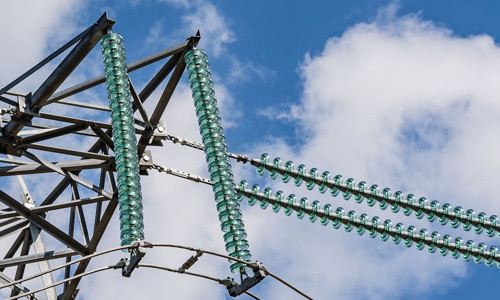
Suspension insulators are specialized devices designed to support and insulate overhead power lines from their supporting structures, typically transmission towers. Their primary function is to prevent electrical leakage while allowing conductors to hang freely. These insulators are crucial for maintaining the performance and reliability of high voltage transmission systems.
Key Functions of Suspension Insulators
Suspension insulators serve several essential functions within high voltage applications:
- Electrical Insulation: They provide electrical isolation between the energized conductors and the ground or supporting structures, preventing dangerous faults.
- Mechanical Support: They support the weight of conductors and withstand environmental stresses such as wind, ice, and thermal expansion.
- Arc Prevention: By maintaining adequate air gaps, they help prevent electrical arcing, which can lead to catastrophic failures.
- Operational Reliability: Insulators contribute to the overall reliability of the power transmission system, minimizing downtime and maintenance costs.
Types of Suspension Insulators
There are several types of suspension insulators used in high voltage applications, each designed for specific operational environments and requirements. The most common types include:
1. Porcelain Suspension Insulators
Porcelain insulators are widely used due to their excellent electrical insulating properties and mechanical strength. They are resistant to environmental factors such as UV radiation and temperature fluctuations, making them suitable for various applications. However, they can be brittle and susceptible to damage from physical impacts.
2. Glass Suspension Insulators
Glass insulators offer high transparency and are known for their durability and resistance to environmental degradation. They provide superior performance in polluted environments since their smooth surfaces allow for easy cleaning. Additionally, glass insulators are less prone to mechanical failure compared to porcelain.
3. Composite Suspension Insulators
Composite insulators, made from a combination of polymer materials, offer lightweight and flexible solutions for high voltage applications. They are resistant to UV degradation, pollution, and moisture and are less prone to cracking than traditional materials. Composite insulators are increasingly popular due to their performance in extreme conditions.
Materials Used in Suspension Insulators
The choice of materials for suspension insulators significantly affects their performance, longevity, and suitability for specific applications. Common materials include:
1. Porcelain
Porcelain is a traditional insulator material known for its high dielectric strength and mechanical durability. It is produced by firing a mixture of clay and other raw materials at high temperatures. Porcelain insulators are typically used in environments where mechanical strength and thermal stability are crucial.
2. Glass
Glass is another traditional insulator material, characterized by its high strength and excellent insulating properties. It can withstand high mechanical loads and is resistant to weathering. The transparency of glass allows for easy inspection, making it a preferred choice in many applications.
3. Polymer
Polymers, particularly silicone and rubber, are increasingly used in composite insulators due to their lightweight properties and resistance to environmental stresses. These materials provide excellent hydrophobic characteristics, reducing the risk of flashovers in polluted environments.
Installation Practices for Suspension Insulators
Proper installation is crucial for the performance and reliability of suspension insulators. Here are key practices to consider:
1. Site Assessment
Conduct a thorough site assessment to evaluate environmental conditions, including weather patterns, pollution levels, and seismic activity. This information will influence the choice of insulator type and material.
2. Correct Positioning
Ensure insulators are installed at the correct height and angle to maintain optimal electrical clearance from the ground and other structures. This positioning minimizes the risk of electrical arcing and ensures effective mechanical support.
3. Secure Connections
Properly secure all connections between conductors and insulators to prevent mechanical failure and ensure reliable electrical performance. Use appropriate hardware and techniques to achieve tight, stable connections.
Maintenance of Suspension Insulators
Regular maintenance of suspension insulators is essential to ensure their long-term performance and safety. Key maintenance practices include:
1. Visual Inspections
Perform routine visual inspections to identify signs of wear, damage, or contamination. Check for cracks in porcelain or glass insulators, as well as any signs of erosion or surface degradation in composite insulators.
2. Cleaning Procedures
Implement cleaning protocols to remove dirt, dust, and other contaminants that may affect insulator performance. Depending on the environment, cleaning may be required more frequently in polluted areas.
3. Testing and Monitoring
Utilize techniques such as power factor testing and infrared thermography to monitor insulator performance. These methods can help detect potential issues before they lead to failures.
The Impact of Suspension Insulators on Power System Efficiency
Suspension insulators play a vital role in enhancing the efficiency of power systems. Their ability to maintain electrical isolation helps reduce energy losses and prevents outages caused by faults. Additionally, by supporting the mechanical structure of power lines, they contribute to the stability of the entire electrical grid.
1. Reducing Energy Losses
By ensuring effective electrical insulation, suspension insulators minimize energy losses due to leakage currents. This efficiency is particularly important in high voltage applications, where even small losses can accumulate significantly over long transmission distances.
2. Preventing Downtime
Effective suspension insulators help mitigate the risk of faults that can lead to outages. With fewer failures, electricity providers can maintain a continuous power supply, enhancing overall system reliability and customer satisfaction.
3. Supporting Infrastructure Longevity
By withstanding environmental challenges and mechanical stresses, high-quality suspension insulators contribute to the longevity of power transmission infrastructure. This durability reduces the need for frequent replacements and repairs, translating to cost savings for utility providers.
Future Trends in Suspension Insulator Technology
The field of suspension insulators is continually evolving, with advancements expected to improve their performance and reliability further. Some emerging trends include:
1. Smart Insulators
Integrating sensors into suspension insulators can provide real-time monitoring of their condition, enabling proactive maintenance and reducing the likelihood of failures. Smart insulators can alert operators to potential issues before they escalate, facilitating timely interventions.
2. Advanced Materials
Research into new materials, such as nanocomposites, aims to enhance the performance of suspension insulators. These materials can offer improved mechanical strength, reduced weight, and better resistance to environmental degradation.
3. Sustainability Initiatives
As the industry moves towards more sustainable practices, the development of eco-friendly insulators made from recyclable materials is becoming increasingly important. These initiatives aim to reduce the environmental impact of electrical infrastructure while maintaining high performance.
FAQs About Suspension Insulators
1. What is the primary function of suspension insulators?
The primary function of suspension insulators is to provide electrical insulation and mechanical support for overhead power lines, preventing electrical leakage and ensuring safe operation.
2. What materials are commonly used to manufacture suspension insulators?
Common materials include porcelain, glass, and composite polymers, each offering distinct advantages in terms of durability and electrical performance.
3. How often should suspension insulators be inspected?
Visual inspections should be conducted regularly, with more frequent checks in polluted environments or areas prone to severe weather conditions.
4. What are the benefits of composite insulators over traditional materials?
Composite insulators are lightweight, flexible, and resistant to environmental degradation, making them suitable for a wider range of applications compared to traditional materials.
5. How do suspension insulators impact overall power system efficiency?
By preventing energy losses and reducing the risk of outages, suspension insulators enhance the efficiency and reliability of power transmission systems.
Conclusion
Suspension insulators are essential components in high voltage power systems, providing critical electrical insulation and mechanical support. Understanding their functions, types, materials, installation practices, and maintenance is vital for ensuring the reliability and efficiency of electrical transmission networks. As technology continues to advance, the role of suspension insulators will likely evolve, further enhancing their importance in the electrical grid. By prioritizing quality and innovation, we can ensure that power systems remain resilient and capable of meeting the demands of the future.
Key words:
Related News

Customers from several countries visited our factory for inspection.
2025-04-27
What are the characteristics of glass insulators?
2024-05-22

In one minute, let you understand glass insulators.
2024-05-22


Please leave your contact information to us and we will contact you within 24 hours.


Hejian City Yonggu Glass Insulator Manufacturing Co., Ltd. | Poweredby:300.cn | Privacy Policy
City list