





The Essential Guide to Yellow Glass Insulators: Understanding Their Role in Electrical Applications
2025-06-06
Yellow glass insulators are an intriguing component in the world of electrical engineering, particularly within the realm of insulation materials. These insulators serve a critical role in various electrical applications, ensuring that electrical lines maintain their integrity while minimizing the risk of short circuits and power losses. Their importance cannot be overstated, as they contribute si
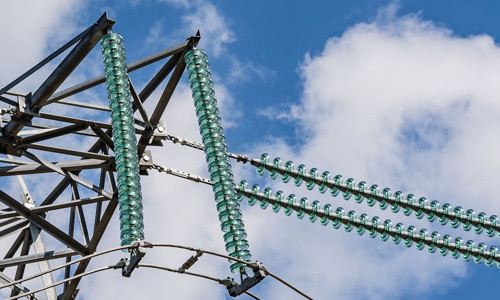
Yellow glass insulators are an intriguing component in the world of electrical engineering, particularly within the realm of insulation materials. These insulators serve a critical role in various electrical applications, ensuring that electrical lines maintain their integrity while minimizing the risk of short circuits and power losses. Their importance cannot be overstated, as they contribute significantly to the reliability and safety of electrical systems.
One of the primary advantages of yellow glass insulators is their excellent dielectric properties. Glass insulators, in general, possess a high level of resistance to electrical breakdown, making them ideal for high-voltage applications. The yellow coloration often seen in these insulators is not just aesthetic; it also serves practical purposes. This color can provide a level of UV protection, ensuring the insulator's durability and effectiveness in outdoor settings where exposure to sunlight can degrade other materials.
In terms of design, yellow glass insulators come in various shapes and sizes, each tailored to specific applications. For instance, they can be found in both suspension and strain configurations, allowing them to be used effectively in overhead power lines, where they help secure and insulate wires from the poles. This versatility makes yellow glass insulators a favored choice among engineers looking for reliable solutions in their projects.
Moreover, the manufacturing process of these insulators ensures they can withstand harsh environmental conditions. The glass is often treated to enhance its strength and resistance to temperature fluctuations, moisture, and other external factors. This resilience is critical in areas with severe weather, where the risk of insulator failure can lead to significant disruptions in power supply.
Another benefit of yellow glass insulators is their longevity. Unlike some alternative materials that may degrade over time or require frequent replacement, well-maintained glass insulators can last for decades. This durability not only reduces maintenance costs but also minimizes the environmental impact associated with frequent replacements.
Furthermore, yellow glass insulators are environmentally friendly. Their production process typically involves sustainable practices, and because they are made of natural materials, they can be recycled at the end of their lifecycle. This aspect aligns with the growing emphasis on sustainability in the electrical engineering sector.
In conclusion, yellow glass insulators play a vital role in ensuring the reliable operation of electrical systems. With their excellent dielectric properties, design versatility, durability, and environmental benefits, they remain a preferred choice for many electrical applications. Understanding the significance of these insulators can help professionals make informed decisions when selecting insulation materials for their projects.
One of the primary advantages of yellow glass insulators is their excellent dielectric properties. Glass insulators, in general, possess a high level of resistance to electrical breakdown, making them ideal for high-voltage applications. The yellow coloration often seen in these insulators is not just aesthetic; it also serves practical purposes. This color can provide a level of UV protection, ensuring the insulator's durability and effectiveness in outdoor settings where exposure to sunlight can degrade other materials.
In terms of design, yellow glass insulators come in various shapes and sizes, each tailored to specific applications. For instance, they can be found in both suspension and strain configurations, allowing them to be used effectively in overhead power lines, where they help secure and insulate wires from the poles. This versatility makes yellow glass insulators a favored choice among engineers looking for reliable solutions in their projects.
Moreover, the manufacturing process of these insulators ensures they can withstand harsh environmental conditions. The glass is often treated to enhance its strength and resistance to temperature fluctuations, moisture, and other external factors. This resilience is critical in areas with severe weather, where the risk of insulator failure can lead to significant disruptions in power supply.
Another benefit of yellow glass insulators is their longevity. Unlike some alternative materials that may degrade over time or require frequent replacement, well-maintained glass insulators can last for decades. This durability not only reduces maintenance costs but also minimizes the environmental impact associated with frequent replacements.
Furthermore, yellow glass insulators are environmentally friendly. Their production process typically involves sustainable practices, and because they are made of natural materials, they can be recycled at the end of their lifecycle. This aspect aligns with the growing emphasis on sustainability in the electrical engineering sector.
In conclusion, yellow glass insulators play a vital role in ensuring the reliable operation of electrical systems. With their excellent dielectric properties, design versatility, durability, and environmental benefits, they remain a preferred choice for many electrical applications. Understanding the significance of these insulators can help professionals make informed decisions when selecting insulation materials for their projects.
Key words:
Related News

Customers from several countries visited our factory for inspection.
Today, our company welcomed important clients from many countries to visit and inspect our factory. This is a significant milestone for our company's global reach, and a moment to showcase our strength and achievements. We are deeply honored and are full of confidence for the future.
2025-04-27
What are the characteristics of glass insulators?
After vacuum injection, the continuous pulling and extrusion of epoxy glass pulling rods is formed after the glass fibers are impregnated with epoxy resin and cured. The insulators used in overhead lines commonly include pin insulators, disc insulators, suspension porcelain bottle insulators, porcelain cross arms, rod insulators, and tension insulators, etc.
2024-05-22

In one minute, let you understand glass insulators.
Glass insulators are widely used in power systems due to their excellent electrical performance, corrosion resistance, and mechanical strength. Next, let's take a detailed look at their advantages.
2024-05-22


Please leave your contact information to us and we will contact you within 24 hours.


Hejian City Yonggu Glass Insulator Manufacturing Co., Ltd. | Poweredby:300.cn | Privacy Policy
City list
Business License