





Top Features to Look for in Reliable Pin Insulators: A Comprehensive Guide
2025-06-10
Top Features to Look for in Reliable Pin Insulators
Introduction to Pin Insulators
Pin insulators play a crucial role in the electrical industry by providing necessary insulation and support to overhead power lines. As electricity travels through these lines, it is imperative that the insulators maintain their integrity and performance. Understanding the key features of reliable pin insulators
Top Features to Look for in Reliable Pin Insulators
Introduction to Pin Insulators
Pin insulators play a crucial role in the electrical industry by providing necessary insulation and support to overhead power lines. As electricity travels through these lines, it is imperative that the insulators maintain their integrity and performance. Understanding the key features of reliable pin insulators will enable electrical engineers, contractors, and utility companies to choose the best components for their projects.
What Are Pin Insulators and Their Importance?
Pin insulators are devices that attach to utility poles and support conductors, ensuring that electrical currents are safely transmitted without creating a short circuit. They are typically made from materials like porcelain or composite, which provide high dielectric strength and resistance to environmental factors. The importance of pin insulators cannot be overstated; they not only ensure the safe transportation of electricity but also contribute to the longevity and reliability of power systems.
Key Features to Evaluate in Pin Insulators
1. Material Composition
The material used in pin insulators significantly affects their performance. Common materials include:
- **Porcelain**: Known for its durability and excellent electrical properties, porcelain insulators are resistant to heat and environmental degradation.
- **Composite**: These insulators are made from polymer materials that are lightweight and resistant to moisture and pollution, making them ideal for various conditions.
Understanding the advantages and drawbacks of each material will help in selecting the right insulator for specific applications.
2. Dielectric Strength
Dielectric strength is a measure of an insulator's ability to withstand electrical stress without breaking down. Reliable pin insulators should have high dielectric strength to prevent current leakage and ensure safety. Look for insulators tested under standard conditions to ensure they meet industry-specific requirements.
3. Mechanical Strength
The mechanical strength of a pin insulator is crucial for withstanding physical stress from environmental conditions, such as wind and ice. Insulators must be robust enough to endure these forces without cracking or breaking. A higher mechanical strength rating indicates better durability, making it a critical feature in your selection process.
4. Weather Resistance
Pin insulators are often exposed to harsh weather conditions. Look for insulators that are designed to resist UV radiation, moisture, and extreme temperatures. Composite insulators typically offer superior weather resistance, while porcelain insulators may require coatings to enhance their durability in adverse conditions.
5. Pollution Resistance
For areas prone to pollution, selecting pin insulators with high pollution resistance is essential. This feature minimizes the risk of contamination affecting the insulator’s performance. Insulators with hydrophobic properties repel water and prevent contaminants from sticking, ensuring continuous operation.
6. Installation and Maintenance
Considering how easy pin insulators are to install and maintain is vital for project efficiency. Some insulators come with integrated design features that facilitate quicker installation and reduce maintenance needs over time. Understanding these features can lead to lower overall project costs and fewer delays.
7. Cost-Effectiveness
While high-quality pin insulators may have a higher initial cost, it is essential to evaluate their long-term value. Investing in durable insulators can lead to reduced maintenance costs and longer service life, ultimately saving resources in the long run. Always compare the cost against performance metrics to gauge value effectively.
8. Compliance with Standards
When choosing pin insulators, ensure they comply with national and international safety standards. Products that meet these standards are more likely to be reliable and safe for use in electrical applications. Checking for certifications from recognized testing organizations can provide additional assurance of quality.
Comparative Analysis of Pin Insulators
Understanding the differences between porcelain and composite pin insulators can guide your decision-making process. While porcelain insulators are known for their robustness and longevity, they can be heavier and more fragile, making them less suitable for certain applications. Composite pin insulators, on the other hand, are lightweight and offer excellent resistance to environmental factors, but they may require more frequent inspections.
Real-World Applications of Pin Insulators
Pin insulators are utilized in various settings, including:
- **Transmission Lines**: Ensuring that high-voltage lines remain insulated from the ground and other structures.
- **Distribution Networks**: Supporting lower voltage lines that deliver electricity to residential and commercial areas.
- **Renewable Energy**: Integrating into solar and wind energy systems to maintain operational efficiency.
Knowing these applications can help in understanding the specific requirements necessary for each scenario.
How to Choose the Right Pin Insulator for Your Needs
Selecting the right pin insulator involves considering numerous factors, including:
- **Location**: Assess environmental conditions such as temperature, humidity, and pollution levels.
- **Voltage Rating**: Ensure the insulator can handle the specific voltage levels of your project.
- **Load Requirements**: Analyze the mechanical stresses the insulator will face.
Taking these considerations into account will lead to a more informed and effective selection process.
FAQs about Pin Insulators
1. What is the typical lifespan of a pin insulator?
The lifespan of pin insulators can vary based on material and environmental conditions, but they typically last 20-40 years with proper maintenance.
2. Can pin insulators be used in underground applications?
Pin insulators are primarily designed for overhead applications. For underground use, other insulator types are recommended to prevent moisture ingress and other issues.
3. How often should pin insulators be inspected?
Regular inspections are recommended at least once a year, but more frequent checks may be necessary in areas with severe weather or pollution.
4. Are there any specific regulations for installing pin insulators?
Yes, various national and international standards govern the installation of pin insulators. Always consult local regulations and guidelines before installation.
5. What are the signs of a failing pin insulator?
Signs include visible cracks, discoloration, or electrical arcing. If any of these occur, replace the insulator promptly to ensure safety.
Conclusion
Selecting reliable pin insulators is essential for the integrity of electrical systems. By considering factors such as material composition, dielectric strength, and weather resistance, professionals can make informed decisions that enhance safety and performance. This guide serves as a comprehensive resource to navigate the complexities of pin insulators, ensuring that you choose products that meet your specific needs and standards. A well-selected pin insulator will contribute to safer and more efficient electrical systems for years to come.
Key words:
newest pin insulators
Related News

Customers from several countries visited our factory for inspection.
Today, our company welcomed important clients from many countries to visit and inspect our factory. This is a significant milestone for our company's global reach, and a moment to showcase our strength and achievements. We are deeply honored and are full of confidence for the future.
2025-04-27
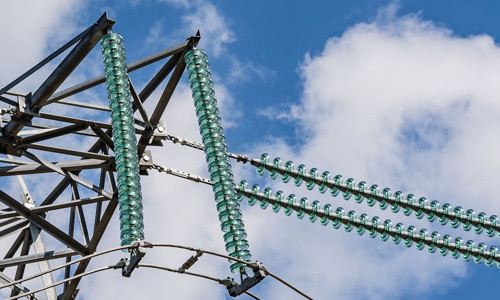
What are the characteristics of glass insulators?
After vacuum injection, the continuous pulling and extrusion of epoxy glass pulling rods is formed after the glass fibers are impregnated with epoxy resin and cured. The insulators used in overhead lines commonly include pin insulators, disc insulators, suspension porcelain bottle insulators, porcelain cross arms, rod insulators, and tension insulators, etc.
2024-05-22

In one minute, let you understand glass insulators.
Glass insulators are widely used in power systems due to their excellent electrical performance, corrosion resistance, and mechanical strength. Next, let's take a detailed look at their advantages.
2024-05-22


Please leave your contact information to us and we will contact you within 24 hours.


Hejian City Yonggu Glass Insulator Manufacturing Co., Ltd. | Poweredby:300.cn | Privacy Policy
City list
Business License