





Understanding the Role of Ceramic Porcelain Insulators in Electrical Safety
2025-08-29
Understanding the Role of Ceramic Porcelain Insulators in Electrical Safety
Table of Contents
1. Introduction to Ceramic Porcelain Insulators
2. What Are Ceramic Porcelain Insulators?
3. Benefits of Ceramic Porcelain Insulators
4. Applications of Ceramic Porcelain Insulators in the Electrical Industry
5. Design and Manufacturing of Ceramic Insulators
6. Maintenance and Lif
Understanding the Role of Ceramic Porcelain Insulators in Electrical Safety
Table of Contents
- 1. Introduction to Ceramic Porcelain Insulators
- 2. What Are Ceramic Porcelain Insulators?
- 3. Benefits of Ceramic Porcelain Insulators
- 4. Applications of Ceramic Porcelain Insulators in the Electrical Industry
- 5. Design and Manufacturing of Ceramic Insulators
- 6. Maintenance and Lifespan of Ceramic Porcelain Insulators
- 7. Common Issues with Ceramic Porcelain Insulators and Their Solutions
- 8. Future Trends in Insulator Technology
- 9. Frequently Asked Questions
- 10. Conclusion
1. Introduction to Ceramic Porcelain Insulators
Ceramic porcelain insulators play a crucial role in maintaining electrical safety in various applications. These specialized components are essential for preventing electrical leakage and ensuring the proper functioning of electrical systems. With a focus on durability and effectiveness, ceramic porcelain insulators have become a preferred choice for many electrical applications globally.
2. What Are Ceramic Porcelain Insulators?
Ceramic porcelain insulators are devices designed to support and insulate electrical conductors, enabling safe transmission of electricity. Made from high-quality ceramic materials, these insulators exhibit excellent dielectric properties, allowing them to withstand high voltages without conducting electricity.
The primary component of ceramic insulators is a mixture of kaolin, feldspar, and quartz, which, when fired at high temperatures, results in a rigid and durable material. The ceramic composition of these insulators ensures they can endure harsh environmental conditions, making them suitable for both indoor and outdoor applications.
3. Benefits of Ceramic Porcelain Insulators
The advantages of using ceramic porcelain insulators are numerous, contributing to their widespread adoption in the electrical industry:
3.1 High Voltage Resistance
Ceramic porcelain insulators are capable of withstanding high voltages, making them ideal for high-voltage transmission lines. Their dielectric strength allows them to operate efficiently under extreme electrical stress.
3.2 Durability and Longevity
These insulators are resistant to environmental factors like UV radiation, moisture, and temperature fluctuations. Their robust structure ensures they can last for decades with minimal maintenance.
3.3 Fire Resistance
Ceramic materials are inherently non-combustible, providing an added layer of safety in electrical applications where fire hazards are a concern.
3.4 Eco-Friendly
Compared to synthetic insulators, ceramic insulators have a lower environmental impact. They are made from natural materials and are recyclable, making them a sustainable choice for electrical applications.
4. Applications of Ceramic Porcelain Insulators in the Electrical Industry
Ceramic porcelain insulators find diverse applications across the electrical industry, including:
4.1 Power Transmission and Distribution
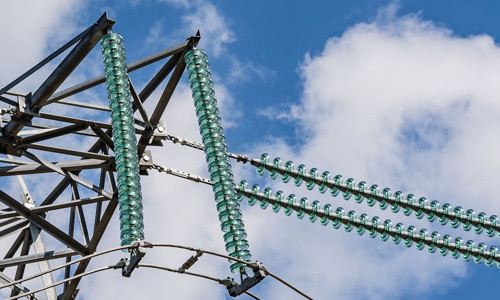
In high-voltage transmission lines, ceramic insulators are used to support conductors and isolate them from the ground. This application is crucial for preventing electrical faults and ensuring the safe transmission of electricity over long distances.
4.2 Substations
Ceramic insulators are employed in substations to isolate electrical components and maintain system integrity. Their reliability helps prevent outages and ensures the steady delivery of electricity.
4.3 Railway Electrification
In railway systems, ceramic insulators support overhead lines, providing safe and efficient power to electric trains. Their durability ensures consistent performance in various weather conditions.
4.4 Telecommunications
Ceramic insulators are also used in telecommunications to support wires and antennas, ensuring signal integrity and minimizing interference.
5. Design and Manufacturing of Ceramic Insulators
The design and manufacturing process of ceramic porcelain insulators involves several steps, ensuring that they meet the stringent requirements of the electrical industry.
5.1 Material Selection
The selection of high-quality raw materials is essential for producing durable and reliable insulators. Manufacturers often prioritize materials with excellent dielectric properties and mechanical strength.
5.2 Shaping and Forming
Once the materials are selected, they are shaped into the desired form using various techniques, including pressing, casting, or extrusion. This shaping process is crucial to achieving the optimal design for electrical performance.
5.3 Firing and Glazing
The formed insulators are then fired in a kiln at high temperatures, which enhances their strength and durability. After firing, a glazing process may be applied to improve their surface finish and further enhance weather resistance.
5.4 Quality Control
Stringent quality control measures are implemented throughout the manufacturing process to ensure that each insulator meets industry standards and specifications, particularly regarding dielectric strength and mechanical integrity.
6. Maintenance and Lifespan of Ceramic Porcelain Insulators
Ceramic porcelain insulators are known for their longevity, often lasting for decades with proper maintenance. However, regular inspections and maintenance are essential to ensure optimal performance.
6.1 Routine Inspections
It is vital to conduct routine inspections to identify any signs of damage, wear, or contamination. Regular checks help in addressing potential issues before they escalate into significant problems.
6.2 Cleaning Procedures
Cleaning ceramic insulators is necessary, especially in polluted environments where contaminants can accumulate. Using non-abrasive materials and appropriate cleaning solutions is crucial to maintaining their integrity.
6.3 Replacement Considerations
While ceramic insulators have a long lifespan, factors such as environmental conditions and mechanical stress can necessitate replacements. Monitoring their condition and performance will guide maintenance decisions.
7. Common Issues with Ceramic Porcelain Insulators and Their Solutions
Despite their robustness, ceramic porcelain insulators can face certain challenges:
7.1 Contamination and Insulation Failure
Contaminants like dirt and salt can impair the insulation properties of ceramic insulators. Regular cleaning and maintenance can mitigate this issue.
7.2 Mechanical Damage
Mechanical stress or impact can cause chips or cracks. Employing proper installation techniques and avoiding excessive force during handling can prevent such damage.
7.3 Environmental Factors
Extreme weather conditions can affect the performance of ceramic insulators. Choosing the right type of insulator for specific environmental conditions is essential for maintaining reliability.
8. Future Trends in Insulator Technology
The future of insulator technology is promising, with ongoing research and development focused on enhancing the performance and sustainability of ceramic porcelain insulators. Innovations may include:
8.1 Advanced Materials
Research into composite materials that combine the benefits of ceramics with other materials may lead to insulators with even better performance.
8.2 Smart Insulators
The integration of monitoring technology in insulators is becoming increasingly popular. Smart insulators equipped with sensors can provide real-time data on performance, enabling proactive maintenance.
8.3 Sustainable Practices
As the industry shifts toward sustainability, the development of eco-friendly manufacturing processes and materials will likely increase, reducing the environmental impact of insulators.
9. Frequently Asked Questions
9.1 What is the primary function of ceramic porcelain insulators?
Ceramic porcelain insulators primarily serve to support and insulate electrical conductors, preventing electrical leakage and ensuring safe transmission of electricity.
9.2 How long do ceramic porcelain insulators last?
With proper maintenance, ceramic porcelain insulators can last for several decades, making them a reliable choice for electrical applications.
9.3 Are ceramic insulators eco-friendly?
Yes, ceramic insulators are made from natural materials and are recyclable, which makes them a more environmentally friendly option compared to synthetic insulators.
9.4 What maintenance do ceramic porcelain insulators require?
Routine inspections, cleaning to remove contaminants, and monitoring for signs of damage are essential maintenance practices to ensure the performance of ceramic insulators.
9.5 What are the typical applications of ceramic porcelain insulators?
Ceramic porcelain insulators are commonly used in power transmission lines, substations, railway electrification, and telecommunications.
10. Conclusion
Ceramic porcelain insulators are indispensable components in the electrical industry, playing a critical role in ensuring safety and reliability. Their unique properties, advantages, and applications make them a preferred choice for various electrical systems. As technology advances, the future of ceramic insulators looks promising, with innovations aimed at enhancing performance and sustainability. Understanding their role not only contributes to better electrical safety practices but also drives the continued evolution of insulator technology in the industry.
Key words:
Related News

Customers from several countries visited our factory for inspection.
Today, our company welcomed important clients from many countries to visit and inspect our factory. This is a significant milestone for our company's global reach, and a moment to showcase our strength and achievements. We are deeply honored and are full of confidence for the future.
2025-04-27
What are the characteristics of glass insulators?
After vacuum injection, the continuous pulling and extrusion of epoxy glass pulling rods is formed after the glass fibers are impregnated with epoxy resin and cured. The insulators used in overhead lines commonly include pin insulators, disc insulators, suspension porcelain bottle insulators, porcelain cross arms, rod insulators, and tension insulators, etc.
2024-05-22

In one minute, let you understand glass insulators.
Glass insulators are widely used in power systems due to their excellent electrical performance, corrosion resistance, and mechanical strength. Next, let's take a detailed look at their advantages.
2024-05-22


Please leave your contact information to us and we will contact you within 24 hours.


Hejian City Yonggu Glass Insulator Manufacturing Co., Ltd. | Poweredby:300.cn | Privacy Policy
City list
Business License