





Understanding Ceramic Porcelain Insulators: Essential Components in Electrical Engineering
2025-09-03
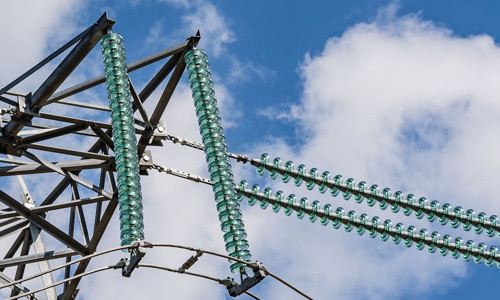
Ceramic porcelain insulators are vital components in the electrical engineering domain, particularly in the field of insulation materials. These insulators are primarily used to support and separate electrical conductors, preventing unwanted electrical discharge and ensuring safety in various applications. The materials used in ceramic porcelain insulators offer excellent thermal and mechanical pr
Ceramic porcelain insulators are vital components in the electrical engineering domain, particularly in the field of insulation materials. These insulators are primarily used to support and separate electrical conductors, preventing unwanted electrical discharge and ensuring safety in various applications. The materials used in ceramic porcelain insulators offer excellent thermal and mechanical properties, making them ideal for high-voltage environments.
One of the standout characteristics of ceramic porcelain insulators is their exceptional dielectric strength. This quality allows them to withstand high electrical voltages without breaking down, which is critical in power transmission and distribution systems. Their ability to operate effectively in extreme weather conditions—such as heat, humidity, and frost—also contributes to their widespread use in outdoor applications.
The manufacturing process of ceramic porcelain insulators involves mixing clay with other materials, which are then shaped and fired at high temperatures. This method results in a dense, durable product that exhibits low moisture absorption and high resistance to environmental degradation. The resulting insulator not only provides superior electrical insulation but also boasts mechanical integrity, ensuring longevity and reliability in electrical installations.
In addition to their durability, ceramic porcelain insulators are preferred for their resistance to ultraviolet (UV) radiation, which is crucial in outdoor applications where sunlight exposure is inevitable. This resistance helps to maintain the insulator's physical and electrical properties over time, reducing the need for frequent replacements and maintenance.
Another compelling advantage of ceramic porcelain insulators is their eco-friendliness. Unlike some synthetic materials, ceramics are naturally occurring and can be recycled, making them a sustainable choice for modern electrical systems. This aligns with the growing emphasis on sustainability in engineering practices, as professionals seek to minimize the environmental impact of their projects.
In various applications, ceramic porcelain insulators are used in substations, overhead power lines, and various electrical equipment setups. Their versatility extends to both high-voltage and low-voltage scenarios, making them an essential component for utility companies and electrical contractors alike.
In conclusion, ceramic porcelain insulators play a fundamental role in ensuring the safety and efficiency of electrical systems. Their exceptional properties, including high dielectric strength, resistance to environmental factors, and sustainability, make them an ideal choice for professionals in the electrical engineering sector. As the demand for reliable and safe electrical infrastructure continues to grow, understanding the significance of these insulators is paramount for anyone involved in the industry.
One of the standout characteristics of ceramic porcelain insulators is their exceptional dielectric strength. This quality allows them to withstand high electrical voltages without breaking down, which is critical in power transmission and distribution systems. Their ability to operate effectively in extreme weather conditions—such as heat, humidity, and frost—also contributes to their widespread use in outdoor applications.
The manufacturing process of ceramic porcelain insulators involves mixing clay with other materials, which are then shaped and fired at high temperatures. This method results in a dense, durable product that exhibits low moisture absorption and high resistance to environmental degradation. The resulting insulator not only provides superior electrical insulation but also boasts mechanical integrity, ensuring longevity and reliability in electrical installations.
In addition to their durability, ceramic porcelain insulators are preferred for their resistance to ultraviolet (UV) radiation, which is crucial in outdoor applications where sunlight exposure is inevitable. This resistance helps to maintain the insulator's physical and electrical properties over time, reducing the need for frequent replacements and maintenance.
Another compelling advantage of ceramic porcelain insulators is their eco-friendliness. Unlike some synthetic materials, ceramics are naturally occurring and can be recycled, making them a sustainable choice for modern electrical systems. This aligns with the growing emphasis on sustainability in engineering practices, as professionals seek to minimize the environmental impact of their projects.
In various applications, ceramic porcelain insulators are used in substations, overhead power lines, and various electrical equipment setups. Their versatility extends to both high-voltage and low-voltage scenarios, making them an essential component for utility companies and electrical contractors alike.
In conclusion, ceramic porcelain insulators play a fundamental role in ensuring the safety and efficiency of electrical systems. Their exceptional properties, including high dielectric strength, resistance to environmental factors, and sustainability, make them an ideal choice for professionals in the electrical engineering sector. As the demand for reliable and safe electrical infrastructure continues to grow, understanding the significance of these insulators is paramount for anyone involved in the industry.
Key words:
Related News

Customers from several countries visited our factory for inspection.
Today, our company welcomed important clients from many countries to visit and inspect our factory. This is a significant milestone for our company's global reach, and a moment to showcase our strength and achievements. We are deeply honored and are full of confidence for the future.
2025-04-27
What are the characteristics of glass insulators?
After vacuum injection, the continuous pulling and extrusion of epoxy glass pulling rods is formed after the glass fibers are impregnated with epoxy resin and cured. The insulators used in overhead lines commonly include pin insulators, disc insulators, suspension porcelain bottle insulators, porcelain cross arms, rod insulators, and tension insulators, etc.
2024-05-22

In one minute, let you understand glass insulators.
Glass insulators are widely used in power systems due to their excellent electrical performance, corrosion resistance, and mechanical strength. Next, let's take a detailed look at their advantages.
2024-05-22


Please leave your contact information to us and we will contact you within 24 hours.


Hejian City Yonggu Glass Insulator Manufacturing Co., Ltd. | Poweredby:300.cn | Privacy Policy
City list
Business License