





Understanding the Advantages of Porcelain Ceramic Insulators in Electrical Applications
2025-09-08
Understanding the Advantages of Porcelain Ceramic Insulators in Electrical Applications
Table of Contents
1. Introduction to Porcelain Ceramic Insulators
2. The Composition and Manufacturing Process
3. The Key Benefits of Porcelain Ceramic Insulators
3.1 Exceptional Dielectric Strength
3.2 High Mechanical Strength and Durability
3.3 Resistance to Environmental Factors
3.4 Thermal S
Understanding the Advantages of Porcelain Ceramic Insulators in Electrical Applications
Table of Contents
1. Introduction to Porcelain Ceramic Insulators
2. The Composition and Manufacturing Process
3. The Key Benefits of Porcelain Ceramic Insulators
3.1 Exceptional Dielectric Strength
3.2 High Mechanical Strength and Durability
3.3 Resistance to Environmental Factors
3.4 Thermal Stability
3.5 Cost-Effectiveness and Longevity
4. Applications of Porcelain Ceramic Insulators
4.1 Power Transmission Lines
4.2 Substations
4.3 Distribution Networks
5. Comparing Porcelain Ceramic Insulators to Other Materials
5.1 Glass Insulators
5.2 Composite Insulators
6. Installation and Maintenance Best Practices
7. FAQs
8. Conclusion
1. Introduction to Porcelain Ceramic Insulators
Porcelain ceramic insulators have emerged as an essential component in the electrical industry, offering an optimal balance between performance and durability. These insulators serve as critical interfaces between conductive materials and the environment, preventing electrical leakage and ensuring safe operation. Understanding their unique properties and benefits is crucial for engineers and technicians responsible for designing and maintaining electrical systems.
2. The Composition and Manufacturing Process
Porcelain ceramic insulators are primarily composed of a mixture of clay, feldspar, and quartz. These raw materials undergo a meticulous manufacturing process that involves shaping, drying, and firing at high temperatures. The resulting ceramic exhibits superior strength and resistance to electrical stress. The production of these insulators often involves high-quality control standards to ensure they meet the stringent requirements of electrical applications.
3. The Key Benefits of Porcelain Ceramic Insulators
The advantages of porcelain ceramic insulators make them a preferred choice for various electrical applications.
3.1 Exceptional Dielectric Strength
Porcelain has an extremely high dielectric strength, allowing it to withstand high voltages without breaking down. This characteristic is critical for preventing electrical failures and ensuring the reliability of electrical systems.
3.2 High Mechanical Strength and Durability
Porcelain ceramic insulators are renowned for their mechanical strength. They can withstand significant stress from environmental factors, such as wind, snow, and ice. This durability ensures a long lifecycle, minimizing the need for frequent replacements.
3.3 Resistance to Environmental Factors
One of the standout features of porcelain insulators is their resistance to moisture, pollution, and UV radiation. This ability to withstand harsh environmental conditions makes them suitable for outdoor applications and ensures consistent performance over time.
3.4 Thermal Stability
Porcelain ceramic insulators maintain their properties across a wide range of temperatures. This thermal stability is essential for applications involving heat generation and fluctuating temperatures, preventing thermal breakdown and maintaining insulation integrity.
3.5 Cost-Effectiveness and Longevity
While the initial investment in porcelain ceramic insulators may be higher than some alternatives, their longevity and low maintenance requirements translate to cost savings over time. Investing in high-quality insulators can result in reduced operational costs and increased reliability.
4. Applications of Porcelain Ceramic Insulators
Porcelain ceramic insulators are utilized in various essential electrical applications, showcasing their versatility and effectiveness.
4.1 Power Transmission Lines
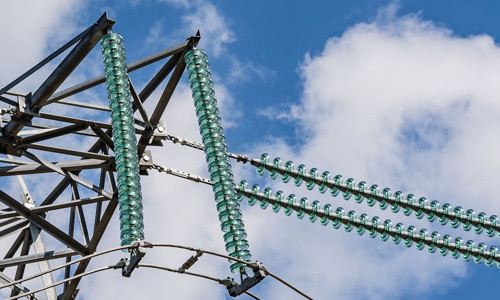
In power transmission systems, porcelain insulators are crucial for supporting overhead lines and ensuring safe operation at high voltages. Their exceptional dielectric properties make them ideal for these applications.
4.2 Substations
Substations utilize porcelain ceramic insulators to manage voltage levels and ensure the safe distribution of electricity. These insulators help maintain system efficiency and reliability.
4.3 Distribution Networks
Within distribution networks, porcelain insulators facilitate the safe delivery of electricity to residential and commercial consumers. Their durability in outdoor environments makes them a common choice for these applications.
5. Comparing Porcelain Ceramic Insulators to Other Materials
To fully appreciate the benefits of porcelain ceramic insulators, it's essential to compare them with other materials commonly used in electrical applications.
5.1 Glass Insulators
Glass insulators, while offering good performance, lack the mechanical strength and durability of porcelain. They are also more brittle, making them prone to breakage under stress.
5.2 Composite Insulators
Composite insulators have gained popularity due to their lightweight nature, but they may not match the thermal stability and long-term reliability of porcelain. Porcelain insulators excel in environments where durability and longevity are paramount.
6. Installation and Maintenance Best Practices
Proper installation and maintenance of porcelain ceramic insulators are critical for optimal performance.
- **Installation**: Ensuring that insulators are securely mounted and aligned is essential for preventing mechanical stress. Regular inspections during installation can help identify any potential issues before they become problematic.
- **Maintenance**: Routine cleaning and inspections can significantly extend the lifespan of porcelain insulators. Addressing issues like contaminants and weathering can help maintain their efficiency and reliability.
7. FAQs
**Q1: What makes porcelain ceramic insulators better than plastic ones?**
A1: Porcelain ceramic insulators provide superior mechanical strength, thermal stability, and resistance to environmental factors compared to plastic insulators, making them more reliable in demanding applications.
**Q2: How long do porcelain ceramic insulators last?**
A2: With proper installation and maintenance, porcelain ceramic insulators can last several decades, significantly reducing replacement costs and ensuring system reliability.
**Q3: Are porcelain ceramic insulators suitable for humid environments?**
A3: Yes, porcelain ceramic insulators are highly resistant to moisture and are ideal for humid environments, where other materials may degrade more quickly.
**Q4: Can porcelain ceramic insulators be used in underground applications?**
A4: While primarily used for overhead applications, porcelain insulators can be utilized in certain underground electrical systems, but specific design considerations must be taken into account.
**Q5: What should I consider when choosing insulators for my electrical system?**
A5: Factors such as dielectric strength, mechanical stress, environmental conditions, and long-term costs should all be considered when selecting insulators for your electrical applications.
8. Conclusion
In conclusion, porcelain ceramic insulators offer a multitude of benefits that make them indispensable in electrical applications. Their exceptional dielectric strength, mechanical durability, resistance to environmental challenges, and long-term cost-effectiveness set them apart from alternative materials. As the demand for reliable electrical systems continues to grow, understanding the advantages of porcelain ceramic insulators will be essential for engineers and technicians alike. By choosing porcelain, one can enhance the performance and longevity of electrical infrastructure, thereby ensuring safe and efficient energy transmission for years to come.
Key words:
Chinese porcelain ceramic insulators
Related News

Customers from several countries visited our factory for inspection.
Today, our company welcomed important clients from many countries to visit and inspect our factory. This is a significant milestone for our company's global reach, and a moment to showcase our strength and achievements. We are deeply honored and are full of confidence for the future.
2025-04-27
What are the characteristics of glass insulators?
After vacuum injection, the continuous pulling and extrusion of epoxy glass pulling rods is formed after the glass fibers are impregnated with epoxy resin and cured. The insulators used in overhead lines commonly include pin insulators, disc insulators, suspension porcelain bottle insulators, porcelain cross arms, rod insulators, and tension insulators, etc.
2024-05-22

In one minute, let you understand glass insulators.
Glass insulators are widely used in power systems due to their excellent electrical performance, corrosion resistance, and mechanical strength. Next, let's take a detailed look at their advantages.
2024-05-22


Please leave your contact information to us and we will contact you within 24 hours.


Hejian City Yonggu Glass Insulator Manufacturing Co., Ltd. | Poweredby:300.cn | Privacy Policy
City list
Business License