





Why Choose Porcelain Ceramic Insulators Over Other Insulator Types?
2025-09-18
Why Choose Porcelain Ceramic Insulators Over Other Insulator Types?
Porcelain ceramic insulators have carved a niche in the electrical industry due to their remarkable properties and performance. In this comprehensive article, we will delve into the unique attributes of porcelain ceramic insulators, comparing them with other insulator types to understand why they are often the preferred choice for
Why Choose Porcelain Ceramic Insulators Over Other Insulator Types?
Porcelain ceramic insulators have carved a niche in the electrical industry due to their remarkable properties and performance. In this comprehensive article, we will delve into the unique attributes of porcelain ceramic insulators, comparing them with other insulator types to understand why they are often the preferred choice for various applications.
Understanding Insulators and Their Importance
Insulators are crucial components in electrical systems, serving to isolate conductive materials and prevent unwanted transfer of electrical energy. The selection of the right type of insulator can significantly impact the efficiency, safety, and longevity of electrical systems.
The Role of Insulators in Electrical Systems
Insulators serve several vital functions in electrical systems:
1. **Preventing Short Circuits**: They help maintain the separation between conductors, ensuring that electricity flows where it should.
2. **Safety**: Insulators protect against electrical shocks, providing a barrier between live wires and the environment.
3. **Supporting Conductors**: Insulators provide physical support for power lines, holding them in place and ensuring they remain operational.
Types of Electrical Insulators
There are several types of electrical insulators used in the industry, each with its own strengths and weaknesses. The most common types include:
- **Porcelain Ceramic Insulators**
- **Glass Insulators**
- **Polymer Insulators**
- **Composite Insulators**
A Closer Look at Porcelain Ceramic Insulators
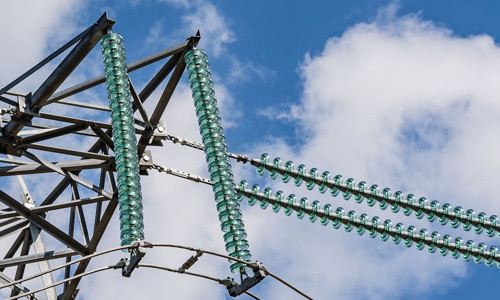
Porcelain ceramic insulators are made from natural clay materials that are subjected to high temperatures to create a hard, durable product. These insulators are known for their excellent dielectric strength, mechanical stability, and resistance to environmental conditions.
Key Characteristics of Porcelain Ceramic Insulators
1. **High Mechanical Strength**: Porcelain ceramic insulators exhibit exceptional resistance to mechanical stress, making them ideal for high-voltage applications.
2. **Excellent Dielectric Properties**: Their ability to withstand electric fields without conducting electricity is paramount for effective insulation.
3. **Durability Against Environmental Factors**: Porcelain ceramic insulators are resistant to moisture, UV radiation, and temperature fluctuations, ensuring long-term reliability.
Comparing Porcelain Ceramic Insulators to Other Types
To appreciate the advantages of porcelain ceramic insulators, it's essential to compare them with other common insulator types.
Porcelain vs. Glass Insulators
While glass insulators offer comparable dielectric strength, porcelain ceramic insulators provide better mechanical stability and resistance to environmental damage. Glass can shatter under extreme conditions, whereas porcelain maintains its integrity.
Porcelain vs. Polymer Insulators
Polymer insulators are lightweight and easy to install, but they may not withstand harsh environmental conditions as effectively as porcelain. Additionally, porcelain insulators have a longer lifespan, making them more cost-effective over time.
Porcelain vs. Composite Insulators
Composite insulators are designed to be lightweight and flexible, but they often lack the robustness of porcelain ceramic insulators, especially in high-voltage applications. Porcelain offers a tried-and-true solution with a proven track record in various climates and settings.
The Advantages of Using Porcelain Ceramic Insulators
Now that we have established the strengths of porcelain ceramic insulators let's explore their specific advantages in greater detail.
Longevity and Durability
Porcelain ceramic insulators can last for decades, often exceeding 30 years of service life. Their hard, non-porous surface resists wear and tear, ensuring that they maintain their insulating properties over time.
Cost-Effectiveness
While the initial installation cost of porcelain ceramic insulators may be higher than some alternatives, their durability and low maintenance requirements lead to lower overall costs. Investing in quality materials pays off in the long run.
Superior Performance in Harsh Conditions
Porcelain ceramic insulators excel in extreme weather conditions, including high humidity, heavy rainfall, and temperature fluctuations. Their resistance to these factors ensures reliable performance, reducing the risk of outages.
Environmental Considerations
With increasing emphasis on sustainability, it's worth noting that porcelain ceramic insulators are made from natural raw materials and are fully recyclable at the end of their lifespan. This makes them an environmentally friendly choice for electrical infrastructure.
Applications of Porcelain Ceramic Insulators
Porcelain ceramic insulators are utilized across a wide range of applications, including:
1. **Power Transmission**: High-voltage power lines rely on porcelain insulators to maintain safety and efficiency.
2. **Substations**: Insulators in substations must withstand high electrical loads and environmental challenges, making porcelain an ideal choice.
3. **Railways**: Porcelain insulators are often used in railway signaling systems, ensuring reliable operation in various weather conditions.
Case Studies: Successful Implementation of Porcelain Ceramic Insulators
Several projects worldwide have successfully implemented porcelain ceramic insulators, showcasing their effectiveness:
- **High-Voltage Transmission Lines**: In various regions, utility companies have reported fewer outages and lower maintenance costs after switching to porcelain insulators.
- **Renewable Energy Projects**: Wind and solar farms have adopted porcelain insulators to ensure system reliability, even under challenging environmental conditions.
Frequently Asked Questions (FAQs)
What are the main benefits of porcelain ceramic insulators?
Porcelain ceramic insulators offer high durability, excellent dielectric properties, low maintenance costs, and superior performance in harsh environmental conditions.
How do porcelain ceramic insulators compare in cost to other insulator types?
While the upfront costs may be higher, their long lifespan and minimal maintenance needs often make them more cost-effective over time compared to other insulator types.
Can porcelain ceramic insulators be used in extreme weather conditions?
Yes, porcelain ceramic insulators are designed to withstand extreme temperatures, humidity, and other environmental factors, making them suitable for diverse climates.
Are porcelain insulators environmentally friendly?
Yes, they are made from natural materials and are fully recyclable, contributing to sustainable electrical infrastructure.
What applications are best suited for porcelain ceramic insulators?
They are ideal for high-voltage power transmission, substations, and railway signaling systems due to their reliability and performance in various conditions.
Conclusion
In conclusion, porcelain ceramic insulators stand out in the electrical industry for their unmatched durability, cost-effectiveness, and superior performance. By understanding the benefits and applications of these insulators, it's clear that they offer a reliable solution for modern electrical systems. As we continue to seek safe and efficient ways to transmit electricity, porcelain ceramic insulators will undoubtedly play a vital role in the infrastructure of the future.
Key words:
Chinese porcelain ceramic insulators
Related News

Customers from several countries visited our factory for inspection.
Today, our company welcomed important clients from many countries to visit and inspect our factory. This is a significant milestone for our company's global reach, and a moment to showcase our strength and achievements. We are deeply honored and are full of confidence for the future.
2025-04-27
What are the characteristics of glass insulators?
After vacuum injection, the continuous pulling and extrusion of epoxy glass pulling rods is formed after the glass fibers are impregnated with epoxy resin and cured. The insulators used in overhead lines commonly include pin insulators, disc insulators, suspension porcelain bottle insulators, porcelain cross arms, rod insulators, and tension insulators, etc.
2024-05-22

In one minute, let you understand glass insulators.
Glass insulators are widely used in power systems due to their excellent electrical performance, corrosion resistance, and mechanical strength. Next, let's take a detailed look at their advantages.
2024-05-22


Please leave your contact information to us and we will contact you within 24 hours.


Hejian City Yonggu Glass Insulator Manufacturing Co., Ltd. | Poweredby:300.cn | Privacy Policy
City list
Business License