





Understanding Porcelain High Voltage Insulators: Key Features and Benefits
2025-09-25
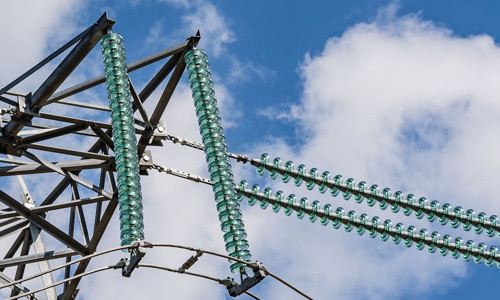
Porcelain high voltage insulators play a critical role in the electrical power system, ensuring the safe and efficient transmission of high voltage electricity. These insulators are essential components that prevent electrical current from unintentionally passing to the ground or to other conductive materials. Constructed primarily from ceramic materials, porcelain insulators offer unique properti
Porcelain high voltage insulators play a critical role in the electrical power system, ensuring the safe and efficient transmission of high voltage electricity. These insulators are essential components that prevent electrical current from unintentionally passing to the ground or to other conductive materials. Constructed primarily from ceramic materials, porcelain insulators offer unique properties that make them particularly effective in high voltage environments.
One of the standout features of porcelain high voltage insulators is their excellent dielectric properties. Dielectric strength is a measure of an insulator's ability to withstand high voltages without breaking down. Porcelain materials inherently possess high dielectric strength, which allows them to operate effectively even in extreme conditions. This property is crucial for preventing electrical arcing and ensuring the reliability of power systems.
Moreover, porcelain is known for its durability and resistance to environmental factors such as moisture, heat, and UV radiation. This resilience minimizes the risk of degradation over time, making porcelain high voltage insulators a long-lasting choice for utility companies and industries relying on high voltage networks. They can withstand harsh weather conditions, including heavy rain, snow, and extreme temperatures, which further enhances their longevity and performance.
Another significant advantage of porcelain high voltage insulators is their mechanical strength. These insulators are designed to endure high mechanical loads, such as those caused by wind or ice accumulation. The robust nature of porcelain ensures that the insulators maintain their structural integrity, providing consistent performance throughout their operational lifespan.
In addition to their physical properties, porcelain high voltage insulators are also environmentally friendly. The manufacturing process of porcelain is less harmful compared to some synthetic insulating materials, making it a sustainable choice. Furthermore, porcelain insulators are recyclable, contributing to a reduced environmental impact at the end of their life cycle.
Porcelain high voltage insulators are commonly utilized in various applications, including transmission lines, substations, and other high voltage equipment. Their efficiency and effectiveness in these applications are paramount for ensuring the safe distribution of electricity across vast distances.
In conclusion, porcelain high voltage insulators are indispensable components in the electrical industry, offering a blend of superior dielectric properties, mechanical strength, and environmental resilience. Their long-lasting performance makes them a preferred choice for high voltage applications, enhancing the overall reliability of power systems. Understanding the benefits and applications of these insulators is essential for professionals in the electrical engineering field, ensuring optimal performance and safety in high voltage environments.
One of the standout features of porcelain high voltage insulators is their excellent dielectric properties. Dielectric strength is a measure of an insulator's ability to withstand high voltages without breaking down. Porcelain materials inherently possess high dielectric strength, which allows them to operate effectively even in extreme conditions. This property is crucial for preventing electrical arcing and ensuring the reliability of power systems.
Moreover, porcelain is known for its durability and resistance to environmental factors such as moisture, heat, and UV radiation. This resilience minimizes the risk of degradation over time, making porcelain high voltage insulators a long-lasting choice for utility companies and industries relying on high voltage networks. They can withstand harsh weather conditions, including heavy rain, snow, and extreme temperatures, which further enhances their longevity and performance.
Another significant advantage of porcelain high voltage insulators is their mechanical strength. These insulators are designed to endure high mechanical loads, such as those caused by wind or ice accumulation. The robust nature of porcelain ensures that the insulators maintain their structural integrity, providing consistent performance throughout their operational lifespan.
In addition to their physical properties, porcelain high voltage insulators are also environmentally friendly. The manufacturing process of porcelain is less harmful compared to some synthetic insulating materials, making it a sustainable choice. Furthermore, porcelain insulators are recyclable, contributing to a reduced environmental impact at the end of their life cycle.
Porcelain high voltage insulators are commonly utilized in various applications, including transmission lines, substations, and other high voltage equipment. Their efficiency and effectiveness in these applications are paramount for ensuring the safe distribution of electricity across vast distances.
In conclusion, porcelain high voltage insulators are indispensable components in the electrical industry, offering a blend of superior dielectric properties, mechanical strength, and environmental resilience. Their long-lasting performance makes them a preferred choice for high voltage applications, enhancing the overall reliability of power systems. Understanding the benefits and applications of these insulators is essential for professionals in the electrical engineering field, ensuring optimal performance and safety in high voltage environments.
Key words:
Related News

Customers from several countries visited our factory for inspection.
Today, our company welcomed important clients from many countries to visit and inspect our factory. This is a significant milestone for our company's global reach, and a moment to showcase our strength and achievements. We are deeply honored and are full of confidence for the future.
2025-04-27
What are the characteristics of glass insulators?
After vacuum injection, the continuous pulling and extrusion of epoxy glass pulling rods is formed after the glass fibers are impregnated with epoxy resin and cured. The insulators used in overhead lines commonly include pin insulators, disc insulators, suspension porcelain bottle insulators, porcelain cross arms, rod insulators, and tension insulators, etc.
2024-05-22

In one minute, let you understand glass insulators.
Glass insulators are widely used in power systems due to their excellent electrical performance, corrosion resistance, and mechanical strength. Next, let's take a detailed look at their advantages.
2024-05-22


Please leave your contact information to us and we will contact you within 24 hours.


Hejian City Yonggu Glass Insulator Manufacturing Co., Ltd. | Poweredby:300.cn | Privacy Policy
City list
Business License