





Why Choosing Porcelain High Voltage Insulators is Essential for Electrical Safety
2025-10-02
Why Choosing Porcelain High Voltage Insulators is Essential for Electrical Safety
Table of Contents
1. Introduction to High Voltage Insulators
2. The Importance of Electrical Insulation
3. Understanding Porcelain Insulators
3.1 Composition and Manufacturing Process
3.2 Advantages of Porcelain Over Other Materials
4. Applications of Porcelain High Voltage Insulators
4.1 Use in Trans
Why Choosing Porcelain High Voltage Insulators is Essential for Electrical Safety
Table of Contents
1. Introduction to High Voltage Insulators
2. The Importance of Electrical Insulation
3. Understanding Porcelain Insulators
3.1 Composition and Manufacturing Process
3.2 Advantages of Porcelain Over Other Materials
4. Applications of Porcelain High Voltage Insulators
4.1 Use in Transmission Lines
4.2 Role in Substations
5. Safety and Reliability of Porcelain Insulators
5.1 Electrical Performance
5.2 Environmental Resistance
6. Maintenance and Longevity of Porcelain Insulators
7. Common FAQs About Porcelain High Voltage Insulators
8. Conclusion
1. Introduction to High Voltage Insulators
High voltage insulators are pivotal components in electrical systems, facilitating the safe transmission and distribution of electricity. They serve the crucial function of preventing electrical leakage and ensuring that high voltage lines remain isolated from the ground and other conductors. In this article, we focus specifically on porcelain high voltage insulators, detailing their significance in maintaining electrical safety and performance.
2. The Importance of Electrical Insulation
Electrical insulation is vital in any power system, as it protects both equipment and personnel from electric shocks, short circuits, and equipment failures. Insulators minimize the chances of electrical accidents, which can lead to severe injuries or catastrophic failures. By effectively isolating live electrical components, insulators contribute significantly to the overall safety of electrical infrastructures.
3. Understanding Porcelain Insulators
Porcelain has been a traditional choice for high voltage insulators due to its unique properties that enhance electrical safety.
3.1 Composition and Manufacturing Process
Porcelain insulators are made from a blend of clay, feldspar, and quartz, which are meticulously processed and fired at high temperatures. The resulting material boasts excellent dielectric strength, making it suitable for withstanding high voltages. The precision in the manufacturing process ensures uniformity and durability, essential for applications in harsh environments.
3.2 Advantages of Porcelain Over Other Materials
Compared to materials like glass or synthetic polymers, porcelain insulators offer superior mechanical strength and resistance to extreme environmental conditions. Their ability to withstand temperatures ranging from sub-zero to high heat makes them ideal for various climates. Additionally, porcelain insulators are less prone to degradation from UV exposure and other environmental factors, ensuring long-term reliability.
4. Applications of Porcelain High Voltage Insulators
Porcelain high voltage insulators are employed in numerous applications across the electrical industry, where their reliability is paramount.
4.1 Use in Transmission Lines
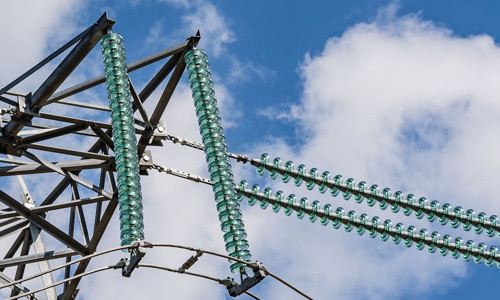
In high-voltage transmission lines, porcelain insulators are used to support and separate conductors, preventing electrical faults. Their robust design ensures they can handle high mechanical loads and resist environmental wear, making them a preferred choice for utility companies.
4.2 Role in Substations
Substations, essential nodes in power distribution networks, utilize porcelain insulators to maintain safety and performance. These insulators ensure that the electrical components remain isolated from the environment, preventing accidents and maintaining system integrity.
5. Safety and Reliability of Porcelain Insulators
The safety features of porcelain insulators are integral to their performance in electrical systems.
5.1 Electrical Performance
Porcelain insulators exhibit excellent electrical performance, with high dielectric strength that prevents electrical breakdown. This capability is essential for maintaining safety and efficiency in high-voltage applications.
5.2 Environmental Resistance
One of the significant advantages of porcelain insulators is their resistance to environmental factors. They can withstand rain, snow, and extreme temperatures without compromising their performance, which is crucial for long-term reliability in outdoor installations.
6. Maintenance and Longevity of Porcelain Insulators
While porcelain insulators are known for their durability, proper maintenance is essential to ensure their longevity. Regular inspections can identify any signs of wear, contamination, or damage that may affect their performance. Cleaning procedures can also help maintain their insulating properties, especially in areas prone to pollution or environmental debris.
7. Common FAQs About Porcelain High Voltage Insulators
What is the lifespan of porcelain high voltage insulators?
Porcelain insulators can last several decades with proper maintenance. Their longevity is one of the reasons they are favored in high-voltage applications.
Are porcelain insulators affected by environmental factors?
Although porcelain insulators are designed to withstand various environmental conditions, factors such as pollution and severe weather can impact their performance over time. Regular maintenance is crucial for identifying and addressing potential issues.
Can porcelain insulators be repaired?
In most cases, if a porcelain insulator is damaged, it is recommended to replace it rather than attempt a repair. This ensures continued safety and reliability in electrical systems.
How do porcelain insulators compare to polymer insulators?
Porcelain insulators generally offer better mechanical strength and resistance to extreme temperatures compared to polymer insulators. However, polymer insulators may have advantages in weight and ease of installation. The choice often depends on specific application requirements.
What factors should be considered when selecting insulators?
Factors include the application's voltage level, environmental conditions, mechanical load requirements, and the insulator's material properties. Each of these elements plays a crucial role in ensuring optimal performance and safety.
8. Conclusion
Choosing porcelain high voltage insulators is a fundamental decision for ensuring electrical safety and system reliability. Their exceptional properties, including high dielectric strength, environmental resistance, and mechanical durability, make them indispensable in the power transmission and distribution sectors. By understanding the advantages of porcelain insulators, electrical engineers and utility companies can make informed decisions that enhance safety and efficiency in their operations. Ultimately, investing in quality porcelain insulators is not just a matter of compliance, but a commitment to safeguarding lives and infrastructure in an increasingly electrified world.
Key words:
Related News

Customers from several countries visited our factory for inspection.
Today, our company welcomed important clients from many countries to visit and inspect our factory. This is a significant milestone for our company's global reach, and a moment to showcase our strength and achievements. We are deeply honored and are full of confidence for the future.
2025-04-27
What are the characteristics of glass insulators?
After vacuum injection, the continuous pulling and extrusion of epoxy glass pulling rods is formed after the glass fibers are impregnated with epoxy resin and cured. The insulators used in overhead lines commonly include pin insulators, disc insulators, suspension porcelain bottle insulators, porcelain cross arms, rod insulators, and tension insulators, etc.
2024-05-22

In one minute, let you understand glass insulators.
Glass insulators are widely used in power systems due to their excellent electrical performance, corrosion resistance, and mechanical strength. Next, let's take a detailed look at their advantages.
2024-05-22


Please leave your contact information to us and we will contact you within 24 hours.


Hejian City Yonggu Glass Insulator Manufacturing Co., Ltd. | Poweredby:300.cn | Privacy Policy
City list
Business License