





The Different Types of Post Insulators Explained: A Comprehensive Guide to Insulation Solutions
2026-02-09
The Different Types of Post Insulators Explained
Post insulators are vital components in electrical transmission and distribution systems, serving to support conductors and maintain electrical isolation. Understanding the different types of post insulators can help engineers, electricians, and utility companies select the most suitable options for their specific requirements. This comprehensive gu
The Different Types of Post Insulators Explained
Post insulators are vital components in electrical transmission and distribution systems, serving to support conductors and maintain electrical isolation. Understanding the different types of post insulators can help engineers, electricians, and utility companies select the most suitable options for their specific requirements. This comprehensive guide will explore the various types of post insulators, their materials, designs, and applications, providing insights that will enhance your knowledge in this crucial area.
Table of Contents
- What Are Post Insulators?
- Importance of Post Insulators in Electrical Systems
- Types of Post Insulators
- Porcelain Post Insulators
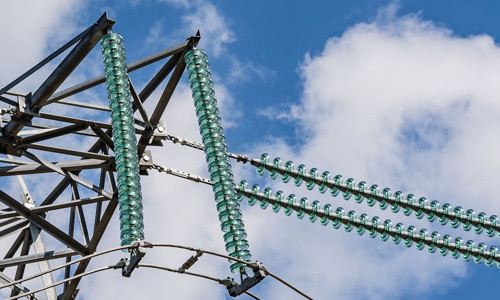
- Glass Post Insulators
- Polymer Post Insulators
- Composite Post Insulators
- Ceramic Post Insulators
- Choosing the Right Post Insulator
- Future Trends in Post Insulator Technology
- Conclusion
- FAQs
What Are Post Insulators?
Post insulators are electrical devices that provide mechanical support and electrical insulation to overhead lines. They are typically used in substations, power lines, and other electrical installations where conductors need to be isolated from the ground or other conductive materials. These insulators are designed to withstand high voltage and environmental stresses, ensuring reliable performance in various conditions.
Importance of Post Insulators in Electrical Systems
The role of post insulators in electrical systems cannot be overstated. They not only provide insulation but also help maintain the integrity of the electrical system. Some of the key reasons post insulators are essential include:
- **Electrical Isolation**: They prevent electrical currents from leaking to the ground or other structures, minimizing the risk of short circuits and electrical shocks.
- **Support Structures**: Post insulators support overhead lines, ensuring they remain suspended and properly aligned.
- **Environmental Protection**: They protect conductors from environmental hazards such as rain, snow, and pollution, which can lead to electrical failures.
- **Safety**: By providing effective insulation, post insulators help ensure the safety of maintenance personnel and the general public.
Types of Post Insulators
There are several types of post insulators available, each with unique properties and applications. Understanding these types can help in selecting the right insulator for specific situations.
Porcelain Post Insulators
Porcelain post insulators are among the most commonly used types. They are made from a ceramic material that provides excellent electrical insulation. **Advantages of porcelain post insulators** include:
- **Durability**: They are highly resistant to weathering, UV radiation, and mechanical stress.
- **High Voltage Capability**: Porcelain can withstand high electrical voltages, making it suitable for various applications.
- **Low Maintenance**: Once installed, they require minimal maintenance.
However, they can be brittle and may break under severe mechanical stress.
Glass Post Insulators
Glass post insulators are made from toughened glass and are known for their transparency, which allows for easy visual inspection. **Key features include**:
- **High Insulating Strength**: They offer excellent insulating properties and can handle high voltages.
- **Resistance to Pollution**: Glass surfaces are less prone to pollution accumulation, reducing maintenance needs.
- **Aesthetic Appeal**: The transparency of glass makes these insulators visually appealing.
One drawback is that they can be heavier than other materials, making installation more challenging.
Polymer Post Insulators
Polymer post insulators are made from composite materials, typically including silicone rubber. They are gaining popularity due to their lightweight and flexibility. **Advantages of polymer post insulators** include:
- **Lightweight**: Easier to handle and install, reducing labor costs.
- **High Resistance to Contamination**: Their design minimizes the accumulation of dirt and pollutants, enhancing performance in harsh environments.
- **Mechanical Strength**: They are resistant to breakage and can withstand mechanical stresses.
However, the long-term durability of polymer insulators is still under evaluation compared to traditional materials.
Composite Post Insulators
Composite post insulators are a hybrid solution that combines the properties of multiple materials. Typically, they feature a core made of fiberglass or resin with an outer layer of silicone or rubber. **Benefits of composite post insulators** include:
- **Excellent Insulation Properties**: They provide superior electrical insulation.
- **Flexibility**: The composite nature allows for design variations to suit specific needs.
- **Resistance to Environmental Factors**: They can withstand extreme weather conditions.
Their complexity can sometimes lead to higher costs, but their benefits often outweigh the initial investment.
Ceramic Post Insulators
Ceramic post insulators are made from a specific type of clay and are known for their high mechanical strength and impressive dielectric properties. **Characteristics of ceramic post insulators** include:
- **Robustness**: They offer exceptional resistance to impact and mechanical stress.
- **Thermal Stability**: Ceramic materials can endure high temperatures without degrading.
- **Longevity**: These insulators have a long service life, reducing the need for frequent replacements.
However, like porcelain insulators, ceramic types can be brittle and require careful handling during installation.
Choosing the Right Post Insulator
Selecting the right post insulator is crucial for ensuring the reliability and efficiency of electrical systems. Here are some factors to consider:
- **Voltage Rating**: Ensure the insulator can handle the maximum voltage of your application.
- **Environmental Conditions**: Analyze the local climate, pollution levels, and potential for mechanical stress.
- **Material Properties**: Consider the advantages and disadvantages of each type of insulator to find the best fit for your needs.
- **Installation and Maintenance**: Evaluate the ease of installation and the required upkeep for each type.
Making an informed decision can significantly enhance the performance and longevity of your electrical installations.
Future Trends in Post Insulator Technology
The electrical industry is continuously evolving, and so are post insulator technologies. Some emerging trends include:
- **Smart Insulators**: Integration of sensors in insulators for real-time monitoring of temperature, humidity, and electrical stress.
- **Sustainable Materials**: Development of eco-friendly insulators made from renewable resources to reduce environmental impact.
- **Improved Manufacturing Techniques**: Advancements in 3D printing and composite materials to create more efficient and effective designs.
These trends promise to enhance the functionality, efficiency, and sustainability of post insulators in electrical systems.
Conclusion
In conclusion, understanding the different types of post insulators is essential for making informed decisions in electrical engineering and utility applications. Whether you opt for porcelain, glass, polymer, composite, or ceramic insulators, each type has its unique advantages and considerations. By carefully evaluating your needs and the conditions in which the insulators will operate, you can select the right solution that ensures safety, reliability, and efficiency in electrical systems.
FAQs
What is the primary function of post insulators?
The primary function of post insulators is to provide electrical insulation and mechanical support for overhead conductors in electrical systems.
What materials are commonly used for post insulators?
Common materials for post insulators include porcelain, glass, polymer, composite, and ceramic.
How do I choose the right post insulator for my application?
Choosing the right post insulator involves considering factors such as voltage rating, environmental conditions, material properties, and installation requirements.
Are polymer post insulators durable compared to traditional materials?
Polymer post insulators are lightweight and flexible, offering high resistance to contamination and mechanical stress, but their long-term durability is still being evaluated compared to traditional materials.
What are the latest trends in post insulator technology?
Emerging trends include smart insulators with integrated sensors, sustainable materials, and advancements in manufacturing techniques for improved designs.
Key words:
Related News

Customers from several countries visited our factory for inspection.
Today, our company welcomed important clients from many countries to visit and inspect our factory. This is a significant milestone for our company's global reach, and a moment to showcase our strength and achievements. We are deeply honored and are full of confidence for the future.
2025-04-27
What are the characteristics of glass insulators?
After vacuum injection, the continuous pulling and extrusion of epoxy glass pulling rods is formed after the glass fibers are impregnated with epoxy resin and cured. The insulators used in overhead lines commonly include pin insulators, disc insulators, suspension porcelain bottle insulators, porcelain cross arms, rod insulators, and tension insulators, etc.
2024-05-22

In one minute, let you understand glass insulators.
Glass insulators are widely used in power systems due to their excellent electrical performance, corrosion resistance, and mechanical strength. Next, let's take a detailed look at their advantages.
2024-05-22


Please leave your contact information to us and we will contact you within 24 hours.


Hejian City Yonggu Glass Insulator Manufacturing Co., Ltd. | Poweredby:300.cn | Privacy Policy
City list
Business License