





Understanding Post Insulators: A Key Component in Electrical Systems
2026-02-16
Post insulators serve as electrical insulators that provide mechanical support and electrical isolation to conductors and other electrical devices. Typically used in substations, transmission lines, and distribution networks, these insulators are designed to withstand high voltage, extreme weather conditions, and mechanical stresses. They are essential in preventing electrical leakage and ensuring
Post insulators serve as electrical insulators that provide mechanical support and electrical isolation to conductors and other electrical devices. Typically used in substations, transmission lines, and distribution networks, these insulators are designed to withstand high voltage, extreme weather conditions, and mechanical stresses. They are essential in preventing electrical leakage and ensuring safe operation within the electrical grid.
One of the primary materials used in manufacturing post insulators is ceramic, known for its excellent dielectric properties and durability. In recent years, composite materials have gained popularity due to their lightweight nature and resistance to environmental degradation. Each type of material offers unique benefits, making it important to select the right post insulator based on specific application requirements.
There are several types of post insulators, including:
1. **Porcelain Post Insulators**: These traditional insulators are made from high-strength ceramic materials. They are widely used due to their proven track record in handling high voltages and their resistance to ultraviolet radiation and thermal cycling.
2. **Composite Post Insulators**: Made from a combination of polymer and fiberglass, composite insulators are lighter and easier to handle compared to their ceramic counterparts. They are designed to resist pollution, moisture, and other environmental factors, making them suitable for diverse applications, especially in coastal areas.
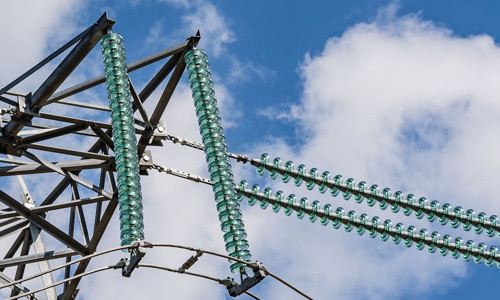
3. **Glass Post Insulators**: Known for their high mechanical strength and transparency, glass insulators offer excellent electrical properties. They are often used in applications where visibility of the insulator is essential, such as in railway electrification systems.
In terms of applications, post insulators are widely employed in transmission and distribution networks to support overhead conductors and equipment like switches and transformers. They help in maintaining safe distances between live conductors and grounded structures, thereby reducing the risk of electrical faults.
When selecting post insulators, several factors need to be considered, including voltage rating, mechanical strength, and environmental conditions. It's essential to understand the specific requirements of your electrical system to ensure optimal performance and safety.
In conclusion, post insulators are fundamental components in the electrical industry, providing essential insulation and support for various applications. Their choice of materials and types can significantly impact the reliability and efficiency of electrical systems. Understanding the characteristics and applications of post insulators can help you make informed decisions in your projects, ensuring safe and effective electrical operations. Whether you are involved in designing, installing, or maintaining electrical infrastructure, a solid grasp of post insulators will enhance your expertise in the field.
One of the primary materials used in manufacturing post insulators is ceramic, known for its excellent dielectric properties and durability. In recent years, composite materials have gained popularity due to their lightweight nature and resistance to environmental degradation. Each type of material offers unique benefits, making it important to select the right post insulator based on specific application requirements.
There are several types of post insulators, including:
1. **Porcelain Post Insulators**: These traditional insulators are made from high-strength ceramic materials. They are widely used due to their proven track record in handling high voltages and their resistance to ultraviolet radiation and thermal cycling.
2. **Composite Post Insulators**: Made from a combination of polymer and fiberglass, composite insulators are lighter and easier to handle compared to their ceramic counterparts. They are designed to resist pollution, moisture, and other environmental factors, making them suitable for diverse applications, especially in coastal areas.
3. **Glass Post Insulators**: Known for their high mechanical strength and transparency, glass insulators offer excellent electrical properties. They are often used in applications where visibility of the insulator is essential, such as in railway electrification systems.
In terms of applications, post insulators are widely employed in transmission and distribution networks to support overhead conductors and equipment like switches and transformers. They help in maintaining safe distances between live conductors and grounded structures, thereby reducing the risk of electrical faults.
When selecting post insulators, several factors need to be considered, including voltage rating, mechanical strength, and environmental conditions. It's essential to understand the specific requirements of your electrical system to ensure optimal performance and safety.
In conclusion, post insulators are fundamental components in the electrical industry, providing essential insulation and support for various applications. Their choice of materials and types can significantly impact the reliability and efficiency of electrical systems. Understanding the characteristics and applications of post insulators can help you make informed decisions in your projects, ensuring safe and effective electrical operations. Whether you are involved in designing, installing, or maintaining electrical infrastructure, a solid grasp of post insulators will enhance your expertise in the field.
Key words:
Related News

Customers from several countries visited our factory for inspection.
Today, our company welcomed important clients from many countries to visit and inspect our factory. This is a significant milestone for our company's global reach, and a moment to showcase our strength and achievements. We are deeply honored and are full of confidence for the future.
2025-04-27
What are the characteristics of glass insulators?
After vacuum injection, the continuous pulling and extrusion of epoxy glass pulling rods is formed after the glass fibers are impregnated with epoxy resin and cured. The insulators used in overhead lines commonly include pin insulators, disc insulators, suspension porcelain bottle insulators, porcelain cross arms, rod insulators, and tension insulators, etc.
2024-05-22

In one minute, let you understand glass insulators.
Glass insulators are widely used in power systems due to their excellent electrical performance, corrosion resistance, and mechanical strength. Next, let's take a detailed look at their advantages.
2024-05-22


Please leave your contact information to us and we will contact you within 24 hours.


Hejian City Yonggu Glass Insulator Manufacturing Co., Ltd. | Poweredby:300.cn | Privacy Policy
City list
Business License