





Understanding Glass Composite Insulators: A Comprehensive Guide
2026-03-02
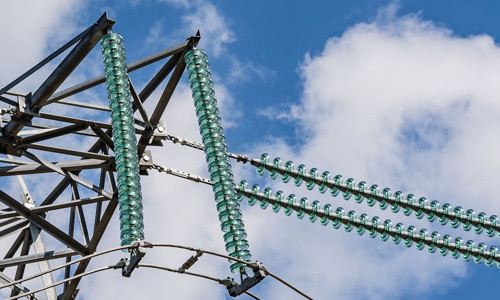
Glass composite insulators have emerged as a pivotal solution in the electrical and electrical insulation sectors, serving as an efficient alternative to traditional ceramic and polymer insulators. These insulators combine the strength of glass with the durability of composite materials, making them suitable for various applications in high-voltage power transmission and distribution systems.
One
Glass composite insulators have emerged as a pivotal solution in the electrical and electrical insulation sectors, serving as an efficient alternative to traditional ceramic and polymer insulators. These insulators combine the strength of glass with the durability of composite materials, making them suitable for various applications in high-voltage power transmission and distribution systems.
One of the key characteristics of glass composite insulators is their significant mechanical strength. The glass fibers used in these insulators provide excellent tensile strength, allowing them to withstand harsh environmental conditions, including extreme temperatures and strong winds. This resilience is crucial for ensuring stability and reliability in outdoor installations, where insulators are frequently exposed to challenging weather.
Another notable advantage of glass composite insulators is their outstanding electrical insulation properties. The composite materials used in their construction possess low dielectric loss and high dielectric strength, effectively preventing electrical discharges. This feature is essential in maintaining the efficiency and safety of power systems, as it minimizes the risk of failures caused by flashover or electrical breakdown.
In addition to their mechanical and electrical properties, glass composite insulators are also lightweight compared to traditional insulators. This weight reduction is beneficial during installation and maintenance, as it allows for easier handling and transportation. Furthermore, the lightweight nature of these insulators can lead to reduced structural requirements for supporting towers, ultimately lowering construction costs.
When considering the installation of glass composite insulators, it is important to evaluate the specific environmental conditions of the installation site. While these insulators offer excellent resistance to moisture and pollution, proper selection based on local conditions can enhance their longevity and performance. Regular inspections and maintenance are also recommended to ensure that they continue to function optimally over time.
While glass composite insulators are becoming increasingly popular, understanding how they compare to other types of insulators—such as ceramic and polymer—is crucial for making informed decisions. Each type has its unique advantages and may be more suitable depending on the specific application and environmental factors.
In summary, glass composite insulators represent a modern solution in the electrical insulation industry, offering a combination of strength, durability, and lightweight characteristics. Their ability to maintain high performance in various conditions makes them an invaluable asset for utility companies and infrastructure projects. Understanding these attributes can aid in selecting the right insulator for specific applications, ultimately enhancing the safety and efficiency of electrical systems.
One of the key characteristics of glass composite insulators is their significant mechanical strength. The glass fibers used in these insulators provide excellent tensile strength, allowing them to withstand harsh environmental conditions, including extreme temperatures and strong winds. This resilience is crucial for ensuring stability and reliability in outdoor installations, where insulators are frequently exposed to challenging weather.
Another notable advantage of glass composite insulators is their outstanding electrical insulation properties. The composite materials used in their construction possess low dielectric loss and high dielectric strength, effectively preventing electrical discharges. This feature is essential in maintaining the efficiency and safety of power systems, as it minimizes the risk of failures caused by flashover or electrical breakdown.
In addition to their mechanical and electrical properties, glass composite insulators are also lightweight compared to traditional insulators. This weight reduction is beneficial during installation and maintenance, as it allows for easier handling and transportation. Furthermore, the lightweight nature of these insulators can lead to reduced structural requirements for supporting towers, ultimately lowering construction costs.
When considering the installation of glass composite insulators, it is important to evaluate the specific environmental conditions of the installation site. While these insulators offer excellent resistance to moisture and pollution, proper selection based on local conditions can enhance their longevity and performance. Regular inspections and maintenance are also recommended to ensure that they continue to function optimally over time.
While glass composite insulators are becoming increasingly popular, understanding how they compare to other types of insulators—such as ceramic and polymer—is crucial for making informed decisions. Each type has its unique advantages and may be more suitable depending on the specific application and environmental factors.
In summary, glass composite insulators represent a modern solution in the electrical insulation industry, offering a combination of strength, durability, and lightweight characteristics. Their ability to maintain high performance in various conditions makes them an invaluable asset for utility companies and infrastructure projects. Understanding these attributes can aid in selecting the right insulator for specific applications, ultimately enhancing the safety and efficiency of electrical systems.
Key words:
Related News

Customers from several countries visited our factory for inspection.
Today, our company welcomed important clients from many countries to visit and inspect our factory. This is a significant milestone for our company's global reach, and a moment to showcase our strength and achievements. We are deeply honored and are full of confidence for the future.
2025-04-27
What are the characteristics of glass insulators?
After vacuum injection, the continuous pulling and extrusion of epoxy glass pulling rods is formed after the glass fibers are impregnated with epoxy resin and cured. The insulators used in overhead lines commonly include pin insulators, disc insulators, suspension porcelain bottle insulators, porcelain cross arms, rod insulators, and tension insulators, etc.
2024-05-22

In one minute, let you understand glass insulators.
Glass insulators are widely used in power systems due to their excellent electrical performance, corrosion resistance, and mechanical strength. Next, let's take a detailed look at their advantages.
2024-05-22


Please leave your contact information to us and we will contact you within 24 hours.


Hejian City Yonggu Glass Insulator Manufacturing Co., Ltd. | Poweredby:300.cn | Privacy Policy
City list
Business License