





Why Choose Glass Power Line Insulators for Your Electrical Projects?
2026-04-06
Why Choose Glass Power Line Insulators for Your Electrical Projects?
Understanding the Role of Insulators in Electrical Systems
The role of insulators in electrical systems cannot be overstated. Insulators serve as a critical barrier that prevents the flow of electricity from conductive materials to the ground. In this section, we will delve into the essential functions and benefits of insulators,
Why Choose Glass Power Line Insulators for Your Electrical Projects?
Understanding the Role of Insulators in Electrical Systems
The role of insulators in electrical systems cannot be overstated. Insulators serve as a critical barrier that prevents the flow of electricity from conductive materials to the ground. In this section, we will delve into the essential functions and benefits of insulators, laying the groundwork for the discussion on glass power line insulators.
Basic Functions of Electrical Insulators
Electrical insulators perform several key functions:
- **Preventing Short Circuits**: Insulators help avoid unintentional electrical connections that can lead to short circuits, ensuring the safety and efficiency of the system.
- **Supporting Conductors**: Insulators provide mechanical support for overhead conductors, enabling them to maintain their position in varying weather conditions.
- **Environmental Protection**: Insulators protect electrical systems from environmental factors like moisture, dust, and debris, which can compromise performance.
Types of Insulators Commonly Used in Power Lines
While there are several types of insulators available, the most commonly used include:
- **Porcelain Insulators**: These insulators have been traditional choices due to their mechanical strength and electrical performance.
- **Composite Insulators**: Made from polymer materials, these offer lightweight options and are resistant to pollution.
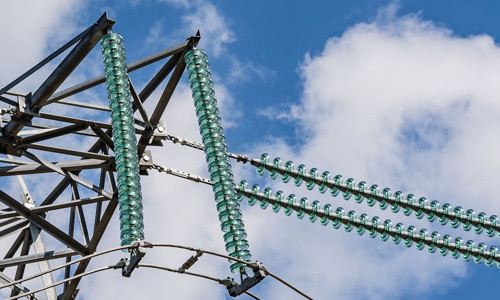
- **Glass Insulators**: Renowned for their durability and superior performance, glass insulators are gaining traction in modern electrical projects.
Why Glass Insulators Stand Out
Among the various types of insulators, **glass power line insulators** are becoming increasingly favored. Here are the reasons why they stand out:
Durability and Longevity
Glass insulators are known for their exceptional durability. Unlike porcelain insulators that can crack under stress, glass does not suffer from the same vulnerabilities. Here are some points to consider:
- **Impact Resistance**: Glass insulators can withstand high-impact forces without breaking, making them ideal for high-stress environments.
- **Weather Resistance**: They are less affected by harsh weather conditions, including extreme temperatures and humidity, ensuring a longer lifespan.
Low Maintenance Requirements
One of the significant advantages of glass insulators is their low maintenance needs. They do not require frequent inspections or replacements, allowing for reduced operational costs in the long term. This results from:
- **Self-Cleaning Properties**: The smooth surface of glass allows for natural cleaning by rain, reducing the accumulation of dirt and pollutants.
- **Resistance to Aging**: Glass does not degrade over time the way other materials might, ensuring consistent performance.
Cost-Effectiveness in the Long Run
While the initial investment in glass insulators may be higher than other types, the long-term savings are substantial. Considerations include:
- **Reduced Replacement Costs**: Their longevity means fewer replacements are necessary, ultimately saving money.
- **Lower Maintenance Costs**: The reduced need for maintenance and inspections translates into lower operational costs.
Technical Advantages of Glass Power Line Insulators
In addition to their practical benefits, glass insulators offer several technical advantages that enhance their utility in electrical projects.
High Dielectric Strength
Glass insulators exhibit remarkably high dielectric strength, allowing them to efficiently withstand voltage surges. This property is crucial for:
- **Preventing Electrical Breakdown**: High dielectric strength ensures that electrical arcs and breakdowns are minimized, increasing safety and reliability.
- **Accommodating High Voltages**: Glass insulators are suitable for use in high-voltage applications, making them versatile for various electrical systems.
Transparency for Visual Inspection
Another unique feature of glass insulators is their transparency. This characteristic allows for:
- **Easy Inspection**: Engineers and maintenance personnel can visually inspect for any signs of damage or wear without needing to remove the insulator.
- **Monitoring Performance**: The ability to see inside the insulator helps in monitoring its condition and assessing its performance over time.
Environmental Considerations
As the world shifts toward more sustainable practices, the environmental impact of material choices becomes critical. Glass insulators shine in this arena.
Recyclability and Sustainability
Glass is a recyclable material, which means that at the end of their life cycle, glass insulators can be repurposed, reducing waste and promoting sustainability. This aspect is crucial for companies aiming to minimize their ecological footprint.
Pollution Resistance
Glass insulators are less prone to pollution-related issues than their porcelain counterparts. Their smooth surfaces resist dirt and grime accumulation, which in turn:
- **Enhances Performance**: A cleaner surface translates to better electrical performance.
- **Reduces Maintenance**: Less frequent cleaning and maintenance are required, promoting sustainability.
Common Applications of Glass Power Line Insulators
The versatility of glass power line insulators makes them suitable for various applications. Here are some common areas where they are particularly effective:
Overhead Power Transmission Lines
Glass insulators are widely used in overhead power transmission lines due to their strength and reliability. Their capacity to withstand demanding conditions makes them ideal for:
- **High Voltage Lines**: They are often employed in high voltage transmission lines to ensure uninterrupted power flow.
- **Rural Electrification**: Their durability and low maintenance needs make them a preferred choice for rural electrification projects.
Substation Applications
In substations, glass insulators play a vital role in supporting and insulating equipment. Their attributes enhance safety and efficiency in:
- **Transformers**: Glass insulators provide critical support for transformers, ensuring they operate reliably.
- **Switchgear**: They are also utilized in switchgear assemblies to maintain safe and effective operation.
Installation Best Practices for Glass Insulators
While glass insulators offer numerous benefits, proper installation is crucial for maximizing their efficacy. Here are some best practices to follow:
Site Assessment
Before installation, conducting a thorough site assessment is essential. This involves:
- **Evaluating Environmental Conditions**: Understanding local weather patterns helps in selecting the appropriate insulation type.
- **Considering Load Requirements**: Ensure that the selected insulator meets the electrical load requirements of the project.
Proper Handling Techniques
During installation, proper handling techniques are vital to prevent damage. Recommendations include:
- **Use of Protective Gear**: Always wear gloves and safety gear to avoid injury when handling glass insulators.
- **Careful Lifting**: Use appropriate lifting techniques to avoid dropping or mishandling the insulator.
Adhering to Manufacturer Guidelines
Following the manufacturer's installation instructions is crucial for optimal performance. This includes:
- **Torque Specifications**: Adhering to the recommended torque specifications during assembly ensures secure connections.
- **Regular Inspections**: Conducting regular inspections post-installation helps identify any potential issues early.
FAQs About Glass Power Line Insulators
1. What is the lifespan of glass power line insulators?
Glass power line insulators can last for several decades, often exceeding 30 years, depending on environmental conditions and maintenance.
2. Are glass insulators more expensive than porcelain?
Yes, glass insulators typically have a higher upfront cost than porcelain insulators, but they often result in lower long-term costs due to their durability and low maintenance needs.
3. How do glass insulators perform in extreme weather conditions?
Glass insulators excel in extreme weather conditions, including high winds, heavy rains, and ice, due to their sturdy construction and resistance to moisture.
4. Can glass insulators be used in urban environments?
Absolutely! Glass insulators are well-suited for urban environments where pollution can be a concern, as they resist dirt accumulation effectively.
5. Are there any disadvantages to using glass insulators?
While glass insulators are durable and effective, their weight can be a disadvantage in some applications where lighter materials are preferred.
Conclusion
In today's rapidly evolving electrical landscape, choosing the right type of insulator is paramount for ensuring safety, efficiency, and sustainability in projects. **Glass power line insulators** emerge as a superior choice, offering exceptional durability, low maintenance requirements, and significant cost-effectiveness over time. Their unique technical advantages, environmental benefits, and versatility in application further cement their status as a preferred option for engineers and electricians alike. As we continue to advance in electrical technology, glass insulators stand ready to support the future of power transmission and distribution with reliability and excellence.
Key words:
Related News

Customers from several countries visited our factory for inspection.
Today, our company welcomed important clients from many countries to visit and inspect our factory. This is a significant milestone for our company's global reach, and a moment to showcase our strength and achievements. We are deeply honored and are full of confidence for the future.
2025-04-27
What are the characteristics of glass insulators?
After vacuum injection, the continuous pulling and extrusion of epoxy glass pulling rods is formed after the glass fibers are impregnated with epoxy resin and cured. The insulators used in overhead lines commonly include pin insulators, disc insulators, suspension porcelain bottle insulators, porcelain cross arms, rod insulators, and tension insulators, etc.
2024-05-22

In one minute, let you understand glass insulators.
Glass insulators are widely used in power systems due to their excellent electrical performance, corrosion resistance, and mechanical strength. Next, let's take a detailed look at their advantages.
2024-05-22


Please leave your contact information to us and we will contact you within 24 hours.


Hejian City Yonggu Glass Insulator Manufacturing Co., Ltd. | Poweredby:300.cn | Privacy Policy
City list
Business License