





Understanding Glass Power Line Insulators: Key Features and Benefits
2026-04-13
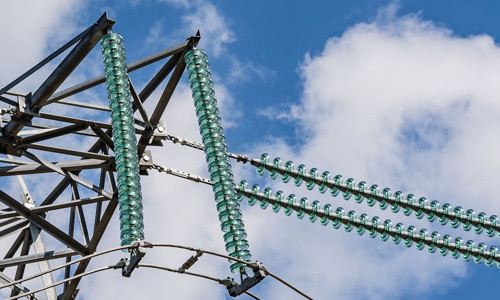
Glass power line insulators are essential components in the electrical engineering field, particularly in overhead power transmission systems. They serve to electrically isolate conductors from the supporting structures, such as transmission towers or poles, ensuring both operational safety and efficiency. Understanding their features and benefits can help in appreciating their role in the larger
Glass power line insulators are essential components in the electrical engineering field, particularly in overhead power transmission systems. They serve to electrically isolate conductors from the supporting structures, such as transmission towers or poles, ensuring both operational safety and efficiency. Understanding their features and benefits can help in appreciating their role in the larger context of power distribution networks.
One of the primary advantages of glass power line insulators is their excellent electrical insulation properties. Glass has a high dielectric strength, which means it can withstand significant voltage levels without breaking down. This characteristic makes glass insulators particularly suitable for high-voltage applications, where the risk of electrical arcing and flashover is a concern. Additionally, glass insulators have low leakage currents, which ensures that most of the electrical energy is transmitted efficiently through the conductors rather than being lost to the environment.
Another noteworthy feature of glass power line insulators is their durability. Glass is inherently resistant to weather-related degradation, including UV radiation, moisture, and temperature fluctuations. This resistance leads to a longer service life compared to other materials, such as porcelain or polymer-based insulators. As a result, glass insulators require less frequent replacement, reducing maintenance costs and downtime for power transmission systems.
Moreover, glass insulators are transparent, allowing for visual inspection. This is particularly advantageous for utility companies, as it enables them to easily monitor the condition of the insulators without requiring disassembly or intricate testing equipment. Any signs of damage or deterioration can be promptly identified, ensuring that necessary maintenance can be conducted swiftly.
In terms of environmental impact, glass power line insulators are made from abundant natural raw materials, making them a more sustainable option compared to synthetic alternatives. Their recyclability also contributes positively to environmental conservation efforts, as they can be repurposed at the end of their operational life.
When considering the installation of power line insulators, it’s essential to choose the right type for specific applications. Factors such as voltage levels, environmental conditions, and the mechanical load on the insulators should all be taken into account. Glass insulators are available in various designs, including pin-type insulators, suspension insulators, and strain insulators, each tailored to meet specific requirements in power distribution networks.
In conclusion, glass power line insulators play a critical role in ensuring the reliability and safety of electrical transmission systems. Their excellent electrical insulation properties, durability, ease of inspection, and environmental sustainability make them a preferred choice for many utility companies. Understanding these features can help stakeholders make informed decisions when designing and maintaining power distribution networks.
One of the primary advantages of glass power line insulators is their excellent electrical insulation properties. Glass has a high dielectric strength, which means it can withstand significant voltage levels without breaking down. This characteristic makes glass insulators particularly suitable for high-voltage applications, where the risk of electrical arcing and flashover is a concern. Additionally, glass insulators have low leakage currents, which ensures that most of the electrical energy is transmitted efficiently through the conductors rather than being lost to the environment.
Another noteworthy feature of glass power line insulators is their durability. Glass is inherently resistant to weather-related degradation, including UV radiation, moisture, and temperature fluctuations. This resistance leads to a longer service life compared to other materials, such as porcelain or polymer-based insulators. As a result, glass insulators require less frequent replacement, reducing maintenance costs and downtime for power transmission systems.
Moreover, glass insulators are transparent, allowing for visual inspection. This is particularly advantageous for utility companies, as it enables them to easily monitor the condition of the insulators without requiring disassembly or intricate testing equipment. Any signs of damage or deterioration can be promptly identified, ensuring that necessary maintenance can be conducted swiftly.
In terms of environmental impact, glass power line insulators are made from abundant natural raw materials, making them a more sustainable option compared to synthetic alternatives. Their recyclability also contributes positively to environmental conservation efforts, as they can be repurposed at the end of their operational life.
When considering the installation of power line insulators, it’s essential to choose the right type for specific applications. Factors such as voltage levels, environmental conditions, and the mechanical load on the insulators should all be taken into account. Glass insulators are available in various designs, including pin-type insulators, suspension insulators, and strain insulators, each tailored to meet specific requirements in power distribution networks.
In conclusion, glass power line insulators play a critical role in ensuring the reliability and safety of electrical transmission systems. Their excellent electrical insulation properties, durability, ease of inspection, and environmental sustainability make them a preferred choice for many utility companies. Understanding these features can help stakeholders make informed decisions when designing and maintaining power distribution networks.
Key words:
Related News

Customers from several countries visited our factory for inspection.
Today, our company welcomed important clients from many countries to visit and inspect our factory. This is a significant milestone for our company's global reach, and a moment to showcase our strength and achievements. We are deeply honored and are full of confidence for the future.
2025-04-27
What are the characteristics of glass insulators?
After vacuum injection, the continuous pulling and extrusion of epoxy glass pulling rods is formed after the glass fibers are impregnated with epoxy resin and cured. The insulators used in overhead lines commonly include pin insulators, disc insulators, suspension porcelain bottle insulators, porcelain cross arms, rod insulators, and tension insulators, etc.
2024-05-22

In one minute, let you understand glass insulators.
Glass insulators are widely used in power systems due to their excellent electrical performance, corrosion resistance, and mechanical strength. Next, let's take a detailed look at their advantages.
2024-05-22


Please leave your contact information to us and we will contact you within 24 hours.


Hejian City Yonggu Glass Insulator Manufacturing Co., Ltd. | Poweredby:300.cn | Privacy Policy
City list
Business License