





The Benefits of Using Glass Insulators in Power Transmission
2026-04-20
The Benefits of Using Glass Insulators in Power Transmission
Introduction to Glass Insulators
In the realm of power transmission, **insulators** play a crucial role in maintaining the safety and efficiency of electrical systems. Among the various types of insulators available, **glass insulators** stand out due to their unique properties and significant advantages. This article delves deep into th
The Benefits of Using Glass Insulators in Power Transmission
Introduction to Glass Insulators
In the realm of power transmission, **insulators** play a crucial role in maintaining the safety and efficiency of electrical systems. Among the various types of insulators available, **glass insulators** stand out due to their unique properties and significant advantages. This article delves deep into the benefits of using glass insulators in power transmission, providing insights into their usage, effectiveness, and why they are often preferred over alternative materials.
Understanding Power Transmission Insulators
Insulators are materials designed to prevent the flow of electric current. They are essential in power transmission lines, as they support and separate electrical conductors while ensuring safety. Glass insulators, specifically, have been used for decades and are known for their robust performance and longevity.
The Historical Context of Glass Insulators
Glass insulators have been in use since the late 19th century, initially employed in telegraph systems. Their ability to withstand the elements and resist electrical failure made them a natural choice for electrical power distribution. Today, they continue to evolve with advancements in technology, cementing their place in modern power transmission.
The Key Advantages of Glass Insulators
Glass insulators offer a range of benefits that make them an attractive option for utility companies and electrical engineers. Here are some of the most compelling reasons to consider glass insulators for power transmission systems.
1. Exceptional Durability and Longevity
One of the primary advantages of glass insulators is their remarkable durability. Made from high-strength glass, these insulators can withstand severe weather conditions, including extreme temperatures, high winds, and ice accumulation. Unlike porcelain insulators, glass does not become brittle over time, ensuring a longer lifespan and reducing the need for frequent replacements.
Resistance to Mechanical Stress
Glass insulators are designed to handle significant mechanical stress. This capability is particularly beneficial in regions prone to severe weather, where ice and wind can apply immense pressure on transmission lines. Their rugged construction ensures they remain intact and functional, minimizing service interruptions.
2. Superior Electrical Performance
When it comes to electrical performance, glass insulators excel due to their excellent dielectric strength. This property allows them to handle high voltage levels without breaking down or failing, making them ideal for high-voltage power transmission lines.
Minimized Leakage Current
Glass insulators help reduce leakage current, which can lead to energy loss and decreased efficiency in power systems. By providing a high level of insulation resistance, glass insulators contribute to more efficient electricity transmission.
3. Environmental Resistance
Glass insulators are highly resistant to environmental factors that can adversely affect other materials. They do not absorb moisture, making them less susceptible to degradation from humidity and pollution. This attribute is particularly important in urban environments where industrial pollutants pose a risk to insulator integrity.
Reduced Maintenance Needs
The durability and environmental resistance of glass insulators translate into lower maintenance requirements. Utility companies can save significant costs related to inspections, cleaning, and replacements, allowing them to allocate resources more effectively.
4. Cost-Effectiveness
While the initial cost of glass insulators may be higher than some alternatives, their long-term benefits often outweigh the upfront investment. The combination of durability, reduced maintenance, and enhanced performance leads to lower total lifecycle costs.
Long-Term Investment
Investing in glass insulators is akin to investing in the reliability of the power transmission network. The extended lifespan and reduced need for replacements mean that utility companies can benefit from substantial savings over time.
5. Aesthetic Appeal and Transparency
Glass insulators offer an aesthetically pleasing alternative to traditional materials. Their transparent nature allows for easier monitoring of wear and tear, enabling more proactive maintenance strategies. This clear visibility can enhance safety and operational efficiency in power transmission systems.
Common Applications of Glass Insulators in Power Transmission
Glass insulators are utilized in various applications within power transmission systems. Below are some common uses that highlight their versatility and effectiveness.
1. Overhead Transmission Lines
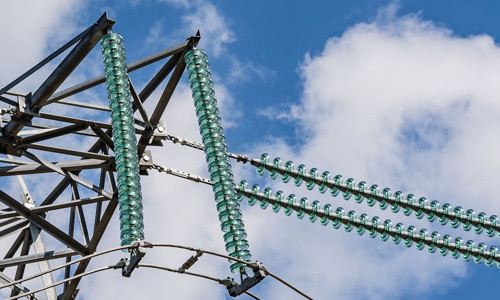
Glass insulators are predominantly employed in overhead transmission lines, where they provide reliable support and insulation for high-voltage conductors. Their strength and resistance to environmental factors make them ideal for long-distance power transmission.
2. Substation Equipment
In substations, glass insulators play a crucial role in ensuring safe and efficient electricity distribution. They are used in various components, including bushings and switches, to maintain proper insulation and prevent electrical failures.
3. Distribution Networks
Glass insulators are also commonly used in distribution networks, where they help deliver electricity from substations to end-users. Their reliability and lower maintenance needs make them a preferred choice for utility companies.
The Future of Glass Insulators
As technology advances, the future of glass insulators in power transmission looks promising. Ongoing research and development aim to enhance their performance further, focusing on improving their environmental sustainability and reducing manufacturing costs.
Innovations and Developments
New techniques in glass manufacturing and coating technologies are being explored to enhance the properties of glass insulators. These innovations may lead to even greater performance and longevity, reinforcing the position of glass insulators in modern electrical systems.
Frequently Asked Questions (FAQs)
1. What are glass insulators made of?
Glass insulators are primarily made from high-strength glass that offers excellent electrical and mechanical properties. The glass is often treated to enhance its resistance to environmental factors.
2. How long do glass insulators last?
Glass insulators can last for several decades, often exceeding 30 years with proper installation and maintenance. Their durability contributes to their longevity.
3. Are glass insulators environmentally friendly?
Yes, glass insulators are considered environmentally friendly as they do not degrade over time and do not release harmful chemicals into the environment. They can also be recycled at the end of their life cycle.
4. How do glass insulators compare to porcelain insulators?
While both glass and porcelain insulators have similar functions, glass insulators are generally more durable and resistant to environmental factors. They also offer better electrical performance in high-voltage applications.
5. Can glass insulators be used in all weather conditions?
Absolutely! Glass insulators are designed to withstand extreme weather conditions, including high winds, heavy rain, and ice accumulation, making them suitable for various climates.
Conclusion
In summary, glass insulators offer a multitude of benefits for power transmission systems. Their exceptional durability, superior electrical performance, resistance to environmental factors, and cost-effectiveness make them a preferred choice for utility companies and electrical engineers alike. As we look to the future, the ongoing innovations in glass insulator technology promise to enhance their performance even further, solidifying their role in sustainable energy solutions. Embracing glass insulators not only boosts the reliability of power transmission but also contributes to a more efficient and environmentally-friendly electrical infrastructure.
Key words:
Related News

Customers from several countries visited our factory for inspection.
Today, our company welcomed important clients from many countries to visit and inspect our factory. This is a significant milestone for our company's global reach, and a moment to showcase our strength and achievements. We are deeply honored and are full of confidence for the future.
2025-04-27
What are the characteristics of glass insulators?
After vacuum injection, the continuous pulling and extrusion of epoxy glass pulling rods is formed after the glass fibers are impregnated with epoxy resin and cured. The insulators used in overhead lines commonly include pin insulators, disc insulators, suspension porcelain bottle insulators, porcelain cross arms, rod insulators, and tension insulators, etc.
2024-05-22

In one minute, let you understand glass insulators.
Glass insulators are widely used in power systems due to their excellent electrical performance, corrosion resistance, and mechanical strength. Next, let's take a detailed look at their advantages.
2024-05-22


Please leave your contact information to us and we will contact you within 24 hours.


Hejian City Yonggu Glass Insulator Manufacturing Co., Ltd. | Poweredby:300.cn | Privacy Policy
City list
Business License